

Living in a studio apartment without a closet can feel like a never-ending battle against clutter. Your clothes end up on chairs, shoes pile up near the door, and finding a place for jackets, bags, and seasonal items becomes a daily challenge. When your bedroom, living room, and workspace all share the same space, even a few misplaced items can make the entire apartment feel crowded.
The good news? You don’t need a built-in closet to create a home that feels organized, comfortable, and stylish. With the right storage furniture, clever use of vertical space, and a few simple organizing tricks, you can create a functional wardrobe area without sacrificing precious square footage.
Whether you’re renting a tiny studio, living in a small city apartment, or simply dealing with limited storage, these 21 studio apartment storage ideas will help you make the most of every inch.
21 Studio Apartment Storage Ideas for People Without a Closet
From freestanding wardrobes to hidden under-bed storage, these practical ideas will help you organize clothing, shoes, accessories, and everyday essentials while keeping your studio apartment feeling open and inviting.
1. Use a Freestanding Wardrobe for Everyday Clothing
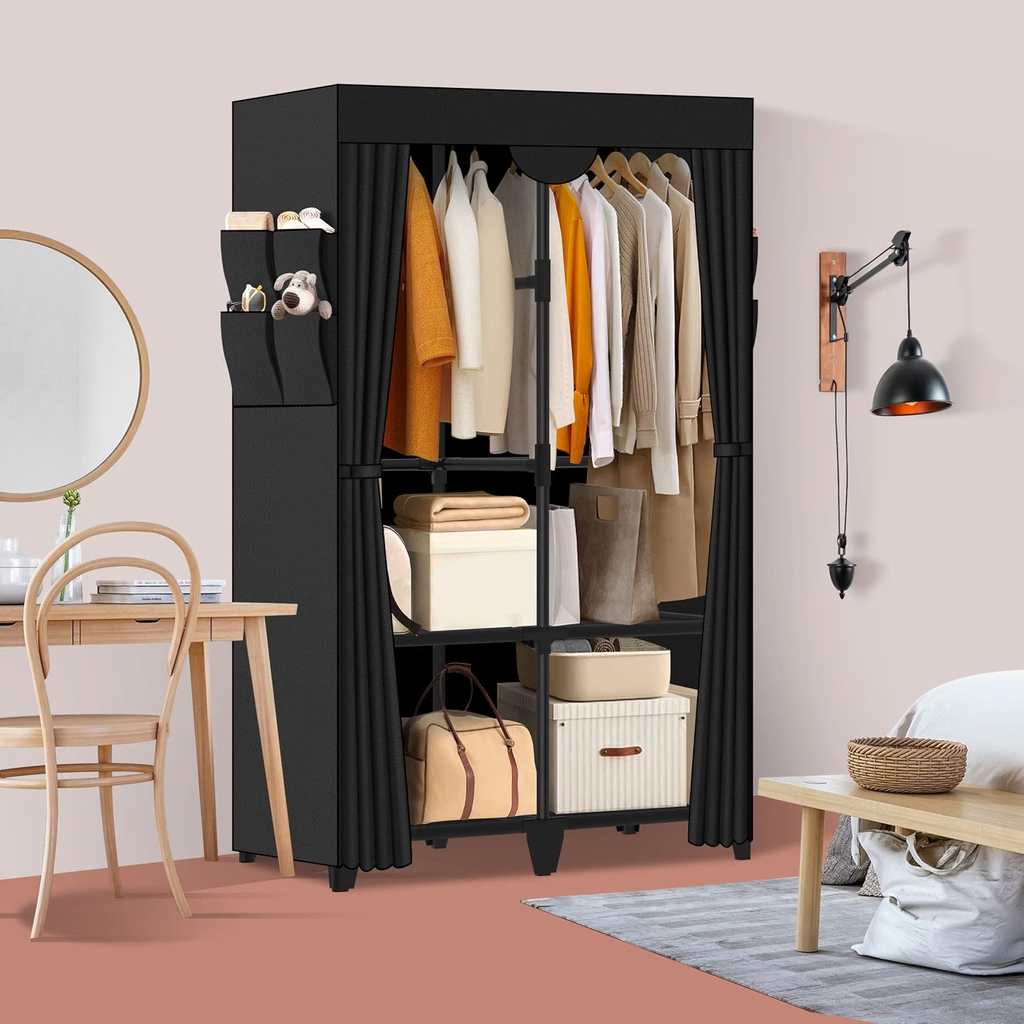
A freestanding wardrobe is one of the easiest ways to create a closet when your apartment doesn’t have one. Unlike built-in closets, these cabinets can be placed wherever you have available wall space and moved when you relocate.
Look for a compact wardrobe with a combination of hanging space, shelves, and drawers. This lets you store dresses, shirts, pants, folded sweaters, and accessories in one organized place.
How to make it work:
- Choose a tall, narrow wardrobe instead of a wide, bulky one.
- Use matching hangers to keep clothing neat and maximize hanging space.
- Add small storage boxes to organize accessories on the shelves.
- Choose a wardrobe with doors to keep visual clutter hidden.
A simple wardrobe in a corner of your studio can create a dedicated dressing area without the need for a renovation.
2. Create an Open Closet With a Clothing Rack
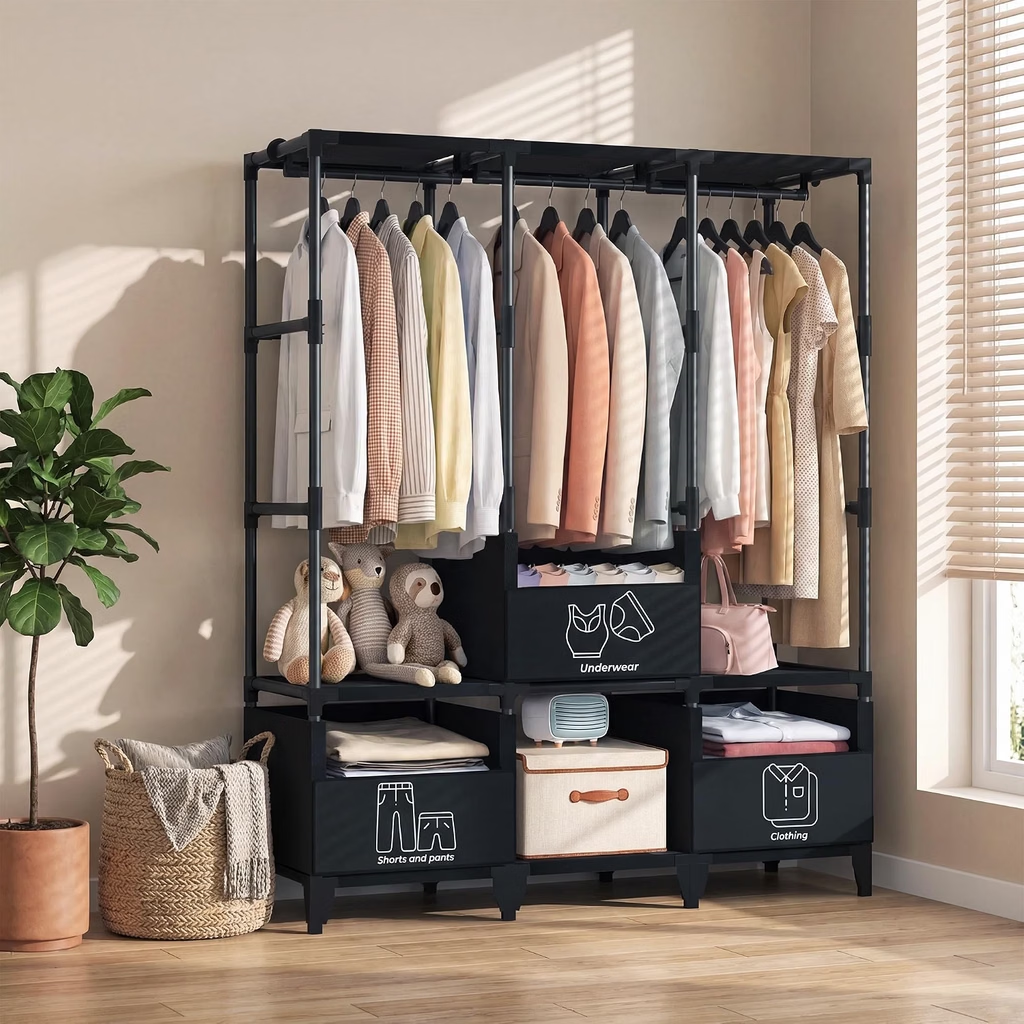
If you prefer easy access to your clothes, a clothing rack is a practical alternative to a traditional closet. It takes up relatively little space and lets you see everything you own at a glance.
Choose a sturdy rack with a lower shelf for shoes, baskets, or folded clothing. A double-rail rack can provide extra hanging capacity if you have a larger wardrobe.
How to make it work:
- Hang only the clothes you wear regularly.
- Use slim, matching hangers to save space.
- Place shoes and storage baskets on the bottom shelf.
- Keep the rack organized by grouping clothes by type or color.
A clothing rack works especially well in a studio where you want your wardrobe to feel like part of the room’s decor.
3. Maximize Space With a Storage Bed
When closet space is limited, the area beneath your bed becomes valuable storage real estate. A storage bed with built-in drawers or a lift-up mattress can hold a surprising amount of clothing and bedding.
This is particularly useful for items you don’t need every day, such as winter coats, extra blankets, and seasonal clothing.
How to make it work:
- Use drawers for everyday clothing if they are easy to access.
- Store seasonal items in labeled containers.
- Keep frequently used belongings near the front.
- Choose a bed with built-in storage to avoid adding extra furniture.
A storage bed helps you make use of space that might otherwise go unused.
If your bed don’t have drawers then these under bed storage bags work perfectly.
4. Add a Tall Dresser Instead of a Wide One
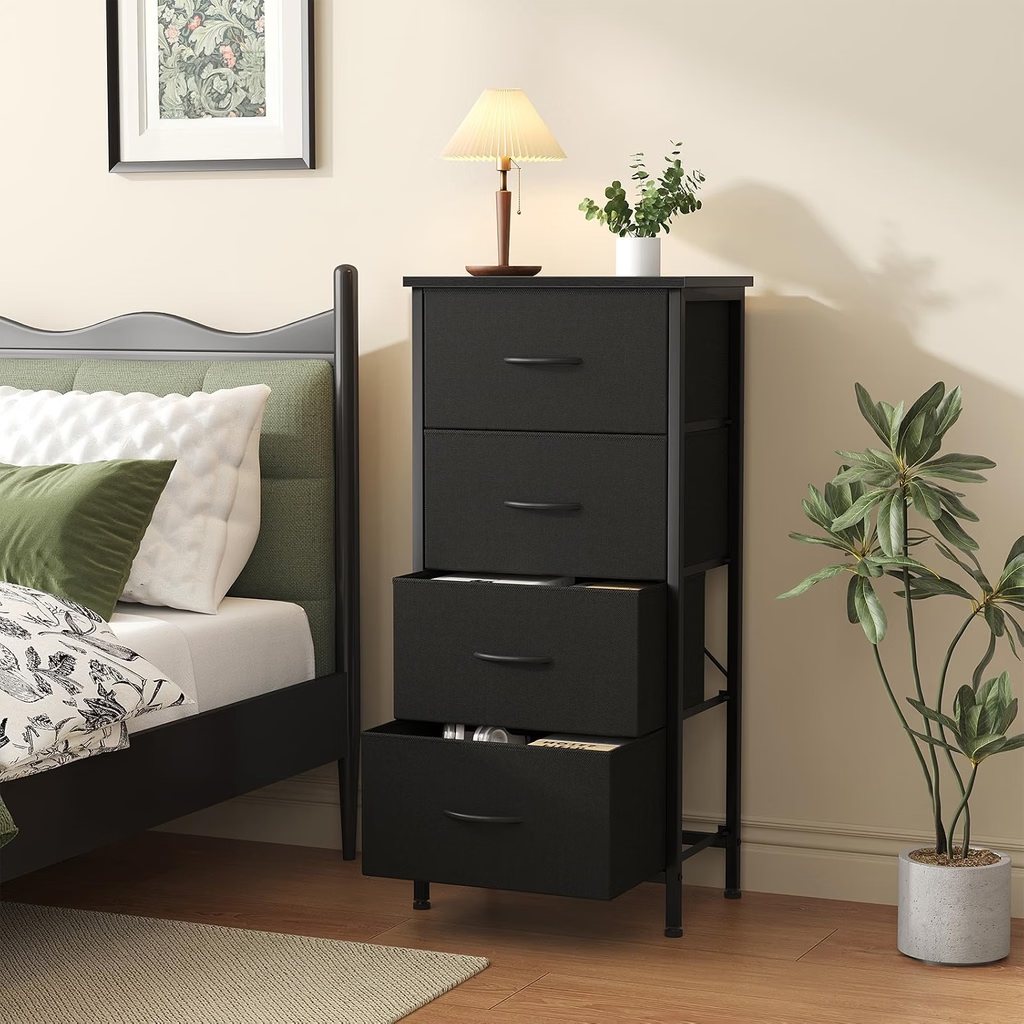
A tall dresser is a smart choice when your studio has limited floor space. Instead of spreading storage across a wide piece of furniture, you can stack drawers vertically and keep more of the floor clear.
Use the drawers for folded shirts, underwear, socks, pajamas, and other everyday essentials.
How to make it work:
- Choose a narrow dresser with several deep drawers.
- Use drawer dividers to keep smaller items organized.
- Store accessories in small trays on top.
- Keep the top surface mostly clear to avoid making the room feel cluttered.
A tall dresser can also double as a nightstand or a surface for a mirror and a small lamp.
5. Hide Storage Behind a Curtain
Not every storage solution needs to be visible. A curtain can transform an open clothing rack or wardrobe corner into a hidden closet area without the expense of installing doors.
This works particularly well when your sleeping area shares space with your living room.
How to make it work:
- Place a clothing rack against a wall or in an unused corner.
- Install a curtain rod or suitable ceiling track in front of the storage area.
- Choose a curtain color that blends with the rest of your decor.
- Leave enough room for the curtain to open and close easily.
This simple trick helps your studio look calmer by concealing clothes, boxes, and other everyday items.
6. Use Under-Bed Storage Containers
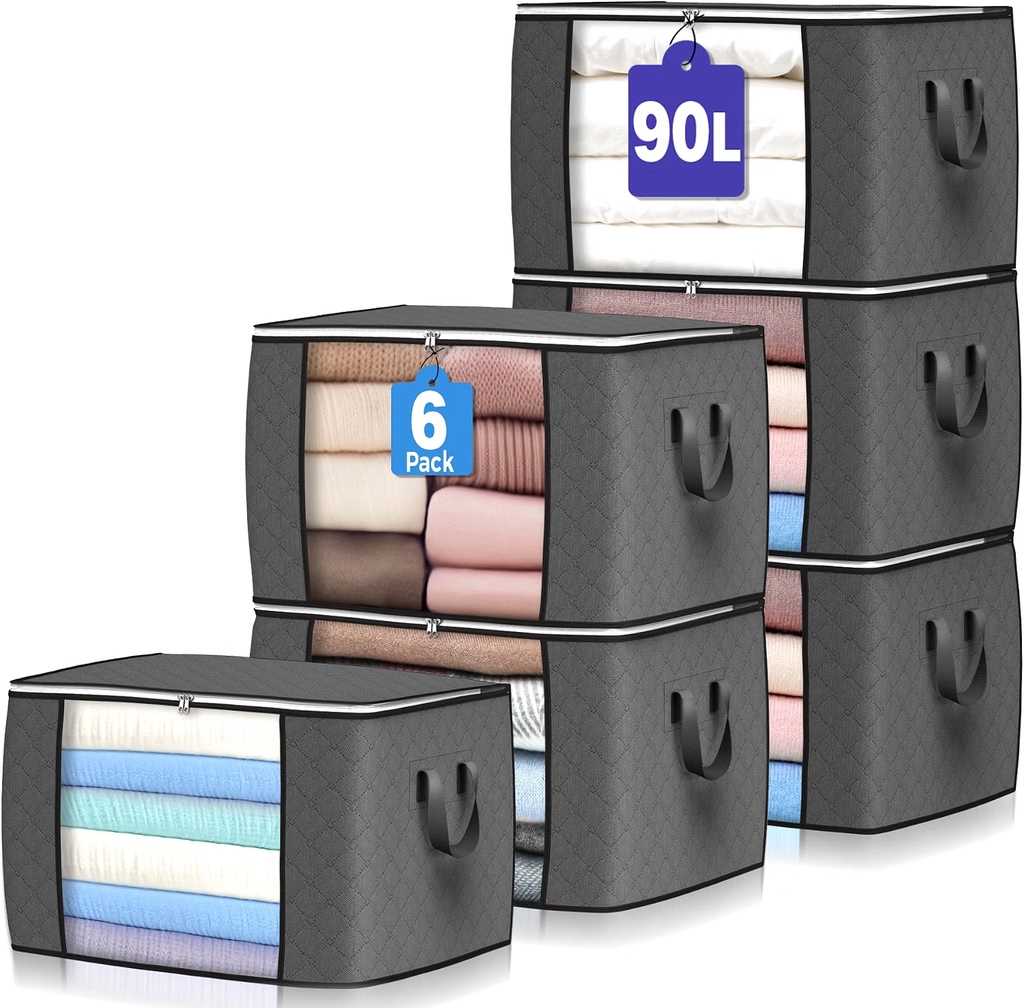
If you already have a regular bed, you can still turn the space underneath it into a useful storage area. Under-bed containers are affordable, easy to use, and ideal for apartments without closets.
Choose shallow containers that slide easily beneath your bed and have lids to protect your belongings from dust.
How to make it work:
- Measure the clearance beneath your bed before buying containers.
- Use separate bins for clothing, shoes, and bedding.
- Choose rolling containers if you need frequent access.
- Label each container so you can find things quickly.
This is a particularly useful solution for storing items you don’t need every day.
7. Install a Wall-Mounted Clothing Rail
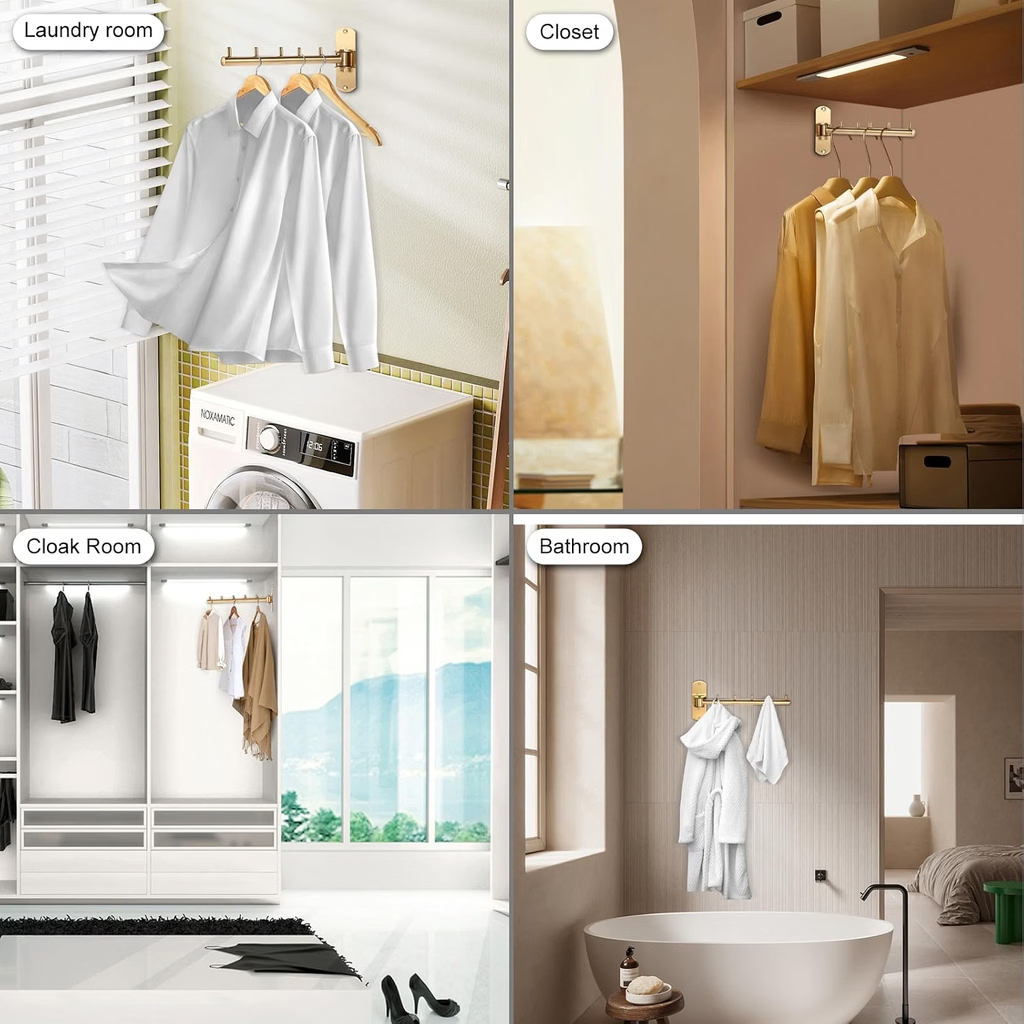
When floor space is limited, look up. A wall-mounted clothing rail gives you hanging space without taking up the footprint of a traditional wardrobe.
You can install one above a dresser, along an empty wall, or in a small dressing corner. Pair it with a floating shelf to create a compact wardrobe system.
How to make it work:
- Hang everyday outfits on the rail for easy access.
- Add a shelf above it for hats, bags, and folded items.
- Use wall hooks for scarves and accessories.
- Make sure the rail is securely attached to suitable wall supports.
This idea is especially useful for renters who have permission to make small wall alterations.
8. Turn a Room Divider Into a Storage Zone
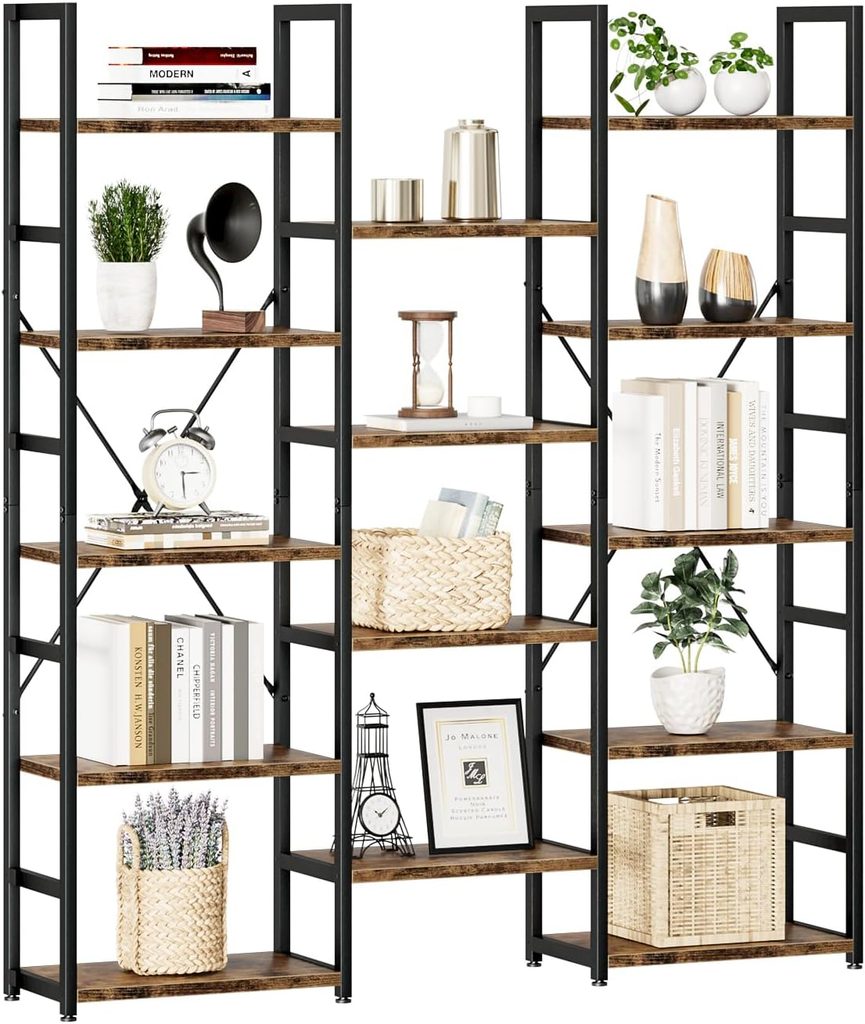
A room divider can do more than separate your sleeping area from your living space. An open shelving unit can also serve as a mini wardrobe, bookshelf, and display area.
Place it between your bed and living area to create a little privacy while giving yourself extra storage.
How to make it work:
- Choose open shelves that allow light to pass through.
- Use baskets to hide folded clothes and accessories.
- Keep frequently used items on easy-to-reach shelves.
- Avoid filling every shelf so the room doesn’t feel crowded.
A storage divider is a practical way to create separate zones in a studio without building walls.
9. Use a Storage Bench at the Foot of the Bed
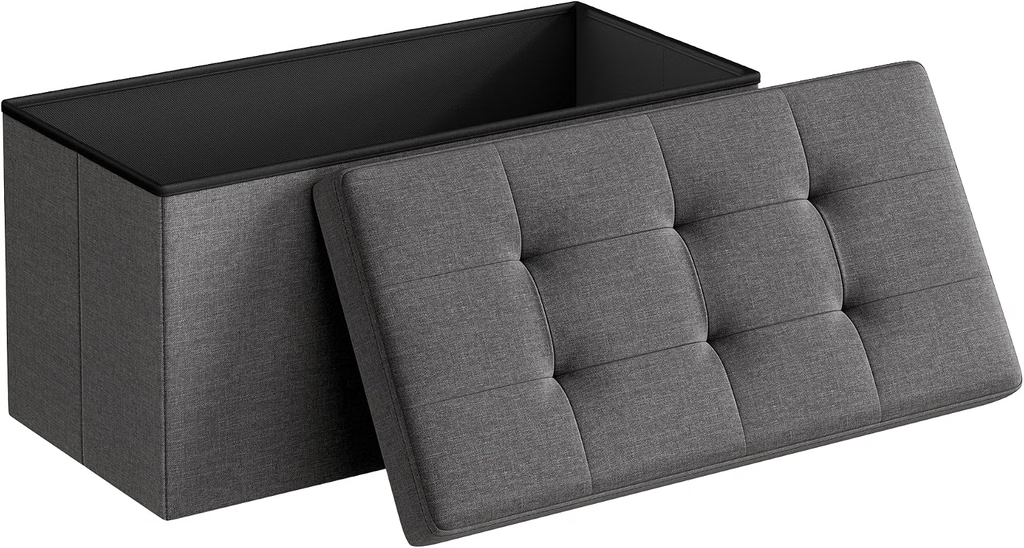
A storage bench is a simple way to add hidden storage without bringing in a bulky cabinet. It can hold blankets, bags, workout clothes, and other items that tend to end up scattered around a studio.
The top also provides a convenient place to sit while getting dressed.
How to make it work:
- Choose a bench that fits comfortably at the foot of your bed.
- Store bulky items like extra bedding inside.
- Use small bags or dividers to separate belongings.
- Pick a design that complements your bedding and furniture.
If your studio is especially small, a bench with a compact footprint can provide storage and seating in one piece.
10. Add Over-the-Door Organizers
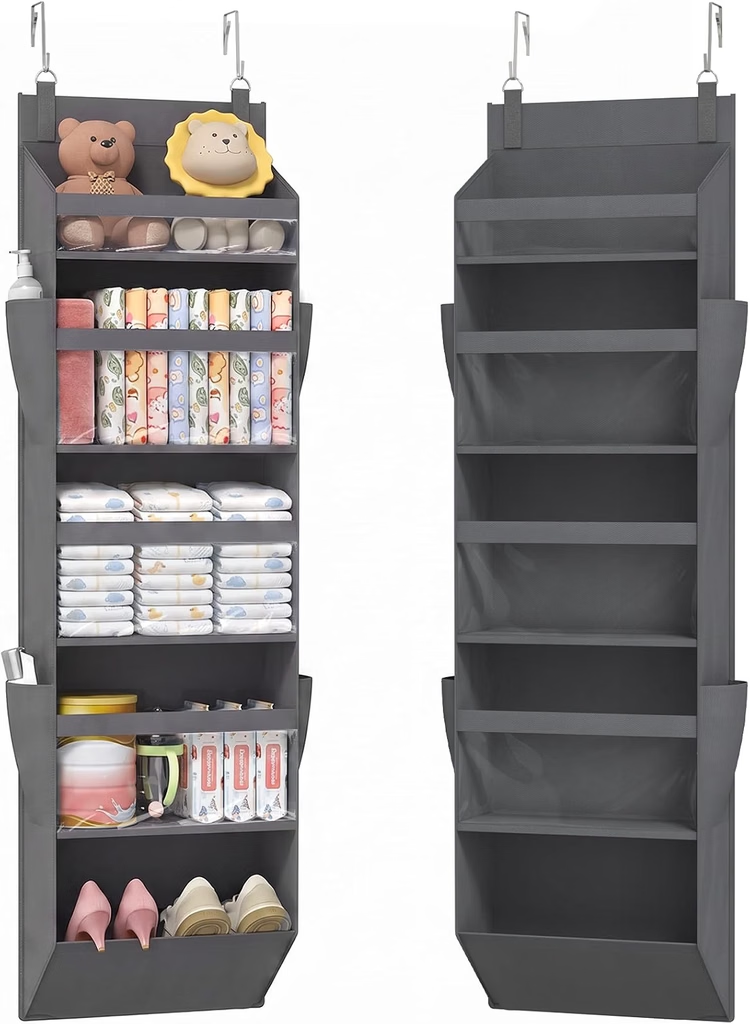
Doors are often overlooked when it comes to storage. An over-the-door organizer can turn an unused surface into a practical place for shoes, accessories, cleaning supplies, or small everyday essentials.
This solution is particularly useful when you don’t have enough wall space for additional shelves.
How to make it work:
- Use clear pockets for accessories and smaller belongings.
- Choose a shoe organizer for flats, sandals, and slippers.
- Store lightweight items to avoid putting too much weight on the door.
- Check that the organizer won’t interfere with the door closing.
It’s an easy way to add storage without taking up valuable floor space.
11. Use Hanging Fabric Shelves for Folded Clothes
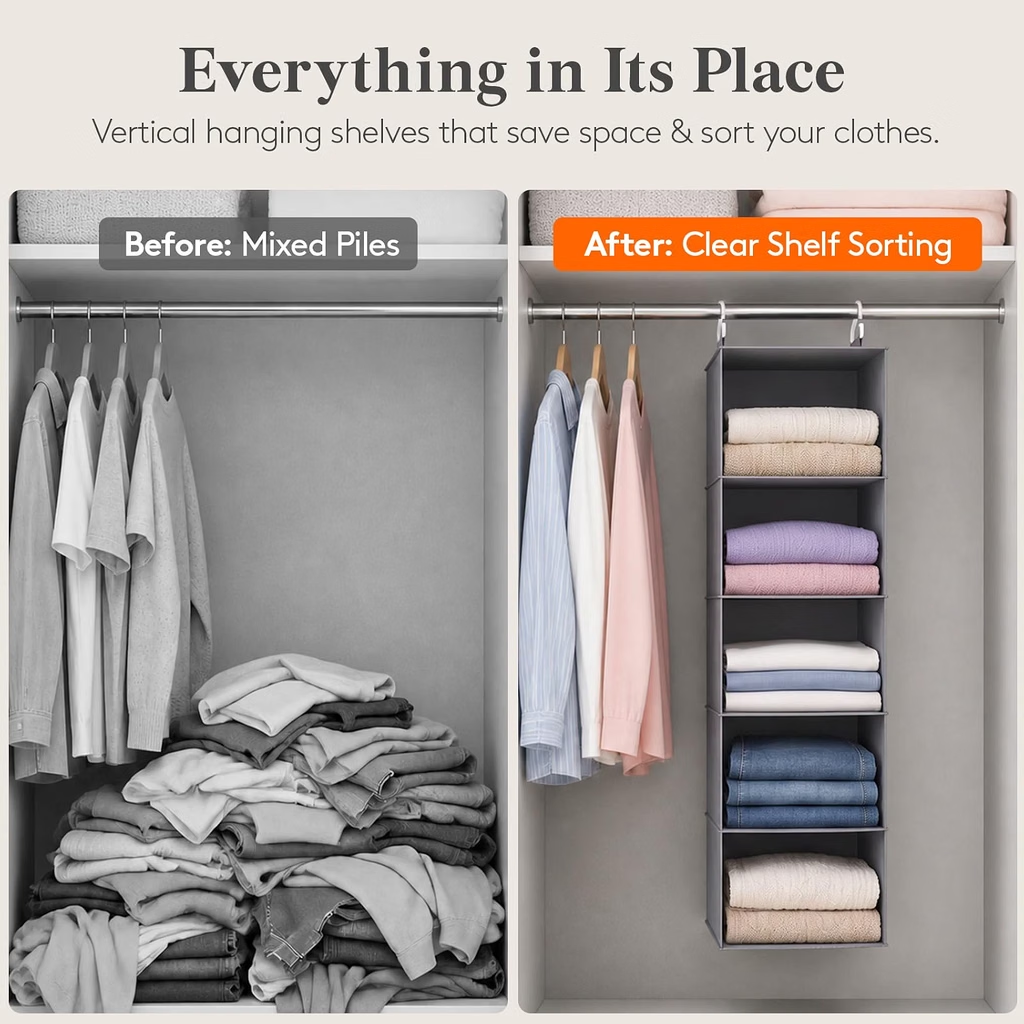
A clothing rack doesn’t have to be used only for hanging clothes. Hanging fabric shelves can transform it into a compact wardrobe with dedicated spaces for folded clothing.
These organizers are useful for sweaters, T-shirts, jeans, pajamas, and accessories that don’t need to be hung.
How to make it work:
- Hang the organizer from a sturdy clothing rail.
- Fold clothes neatly to make each shelf easier to use.
- Keep heavier items on lower shelves.
- Use small fabric bins for socks and accessories.
This is a convenient way to add shelving to an open closet without buying another piece of furniture.
12. Turn a Bookcase Into an Open Wardrobe
A bookcase can become a surprisingly useful wardrobe when you organize it with baskets, storage boxes, and folded clothing.
If you already own a sturdy shelving unit, you may not need to purchase a separate wardrobe.
How to make it work:
- Use the top shelves for seasonal items and less frequently used belongings.
- Place folded clothing in baskets or directly on the shelves.
- Keep shoes and handbags on lower shelves.
- Add a separate clothing rail nearby for hanging items.
For a more polished appearance, use matching baskets and keep the most visible shelves neatly arranged.
13. Store Shoes in a Slim Shoe Cabinet
Shoes can quickly take over a small apartment, especially when there’s no entryway closet. A slim shoe cabinet helps keep footwear organized while using very little floor space.
Look for a vertical cabinet or a shallow flip-drawer design that fits along a wall or near the entrance.
How to make it work:
- Keep everyday shoes in the most accessible compartments.
- Store seasonal footwear elsewhere.
- Use the top surface for keys or a small decorative tray.
- Measure the available depth before purchasing.
A shoe cabinet keeps the entrance tidy and makes it easier to find the pair you need.
14. Make Use of Vertical Wall Space
When your studio lacks a closet, the walls can provide valuable extra storage. Hooks, floating shelves, pegboards, and wall-mounted organizers can hold items that would otherwise occupy drawers or countertops.
This is particularly useful for handbags, hats, scarves, jewelry, and everyday accessories.
How to make it work:
- Install hooks for bags, hats, and frequently worn accessories.
- Use floating shelves for small storage baskets.
- Try a pegboard if you want adjustable storage.
- Keep the arrangement simple to avoid visual clutter.
For renters, removable hooks may be an option for lightweight items, provided the wall surface and product instructions allow it.
15. Add a Rolling Storage Cart
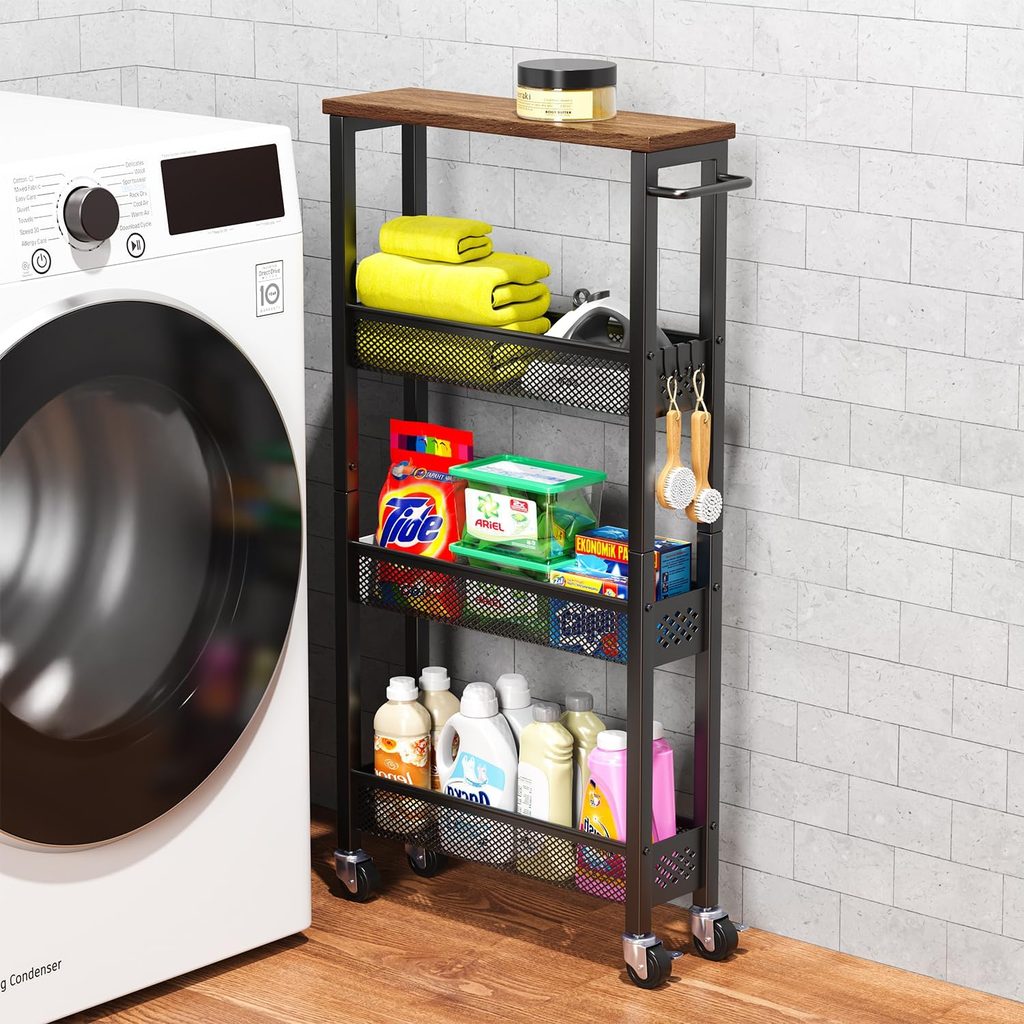
A rolling storage cart is a flexible option for studio apartments because it can move wherever you need it.
Use one for accessories, folded clothes, beauty products, laundry supplies, or everyday essentials. A slim cart can fit between furniture or in a narrow corner.
How to make it work:
- Assign each tier a specific purpose.
- Use small containers to prevent items from shifting.
- Choose a cart with locking wheels if available.
- Roll it into a corner when you need more floor space.
A rolling cart works well as a small wardrobe extension or a mobile organization station.
16. Choose a Desk With Built-In Storage
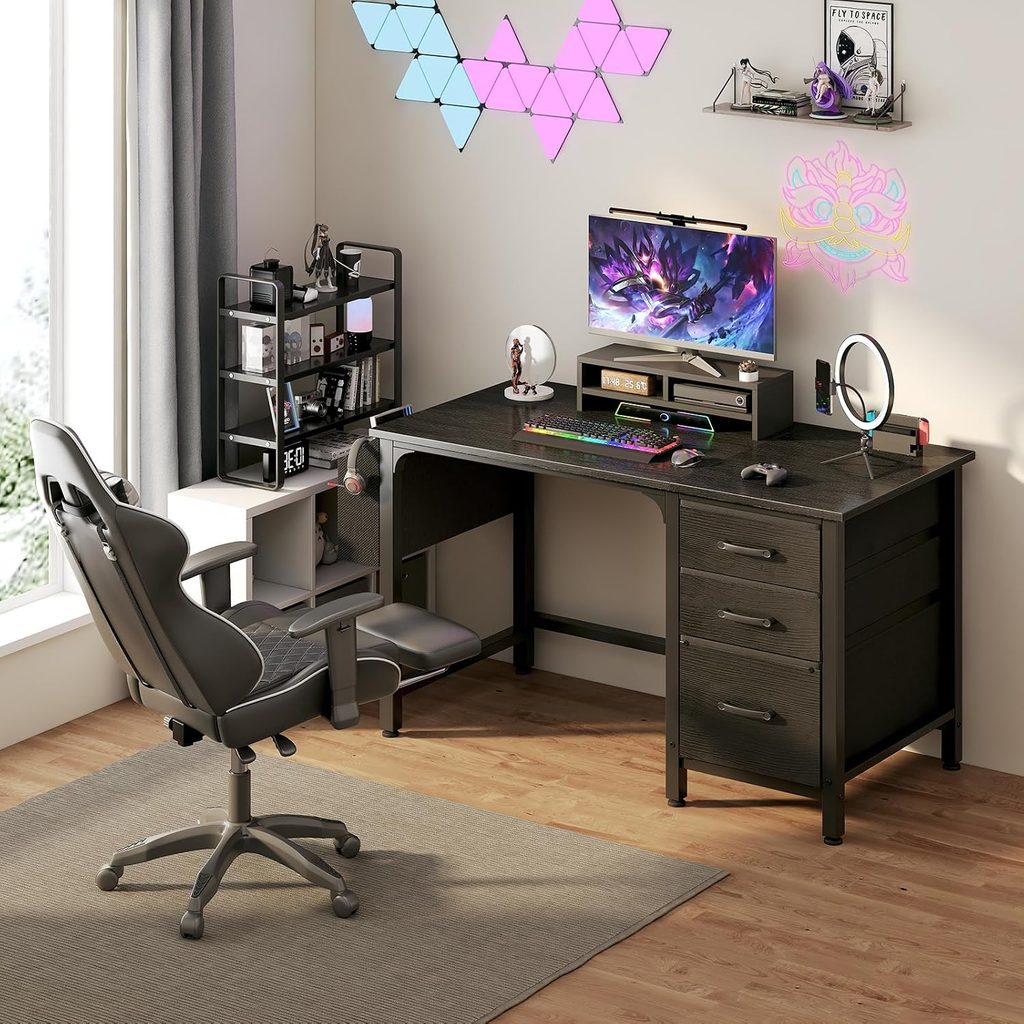
If your studio apartment doubles as a home office, choosing furniture that serves more than one purpose can make a big difference.
A desk with drawers, shelves, or built-in cabinets gives you a place to work while providing extra storage for documents, accessories, and small personal items.
How to make it work:
- Choose a compact desk with drawers underneath.
- Use drawer organizers for smaller belongings.
- Store office supplies in labeled containers.
- Avoid using the desk as a dumping ground for clothing.
Although a desk isn’t a replacement for a wardrobe, it can free up other storage areas by keeping work-related items organized.
17. Store Seasonal Clothing in Vacuum Bags
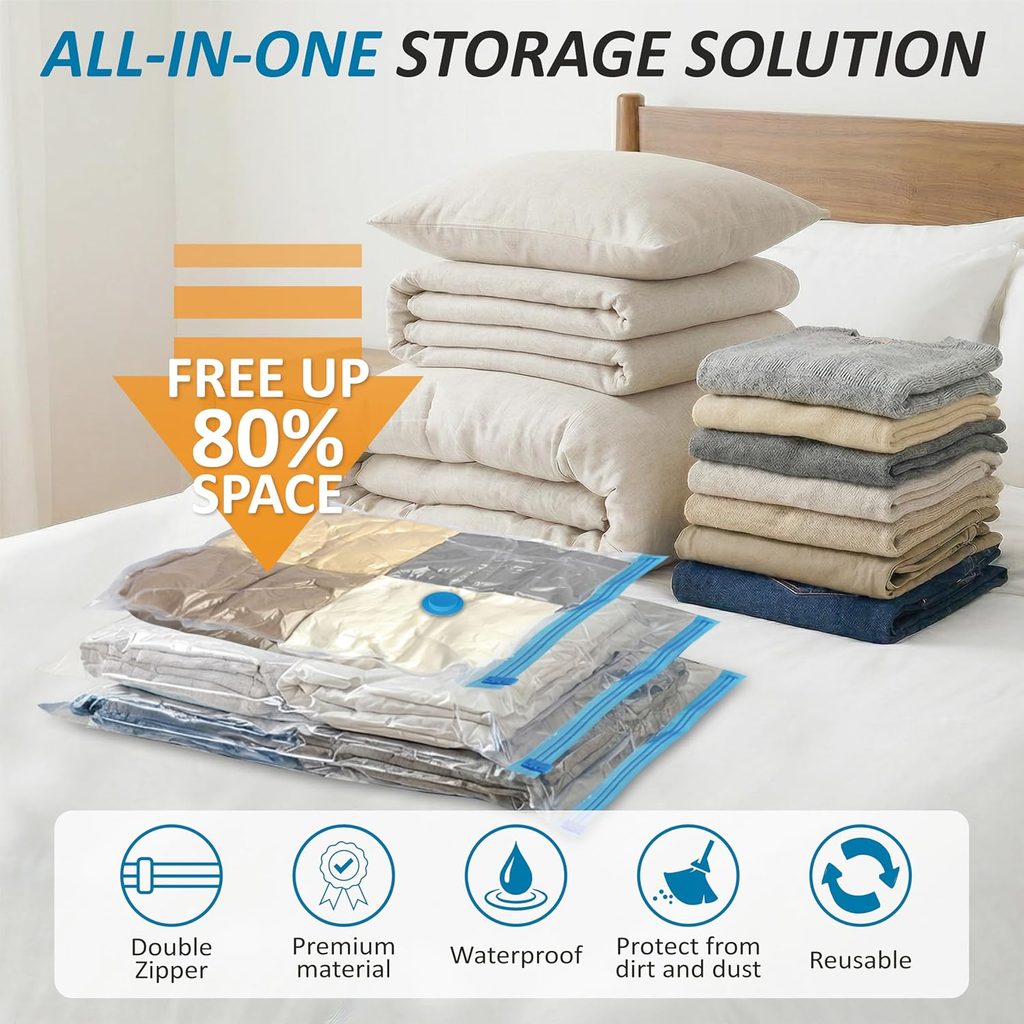
Bulky winter coats, thick sweaters, and extra bedding can take up a lot of space in a closet-free apartment. Vacuum storage bags can reduce the volume of suitable soft items, making them easier to store.
These bags are particularly helpful if you only need certain clothing during specific seasons.
How to make it work:
- Sort clothes by season before packing them.
- Make sure items are clean and completely dry.
- Label each bag with its contents.
- Store packed bags under the bed or on a suitable high shelf.
Check garment care instructions before compressing delicate fabrics or items that may be damaged by prolonged compression.
18. Use Decorative Baskets for Everyday Essentials
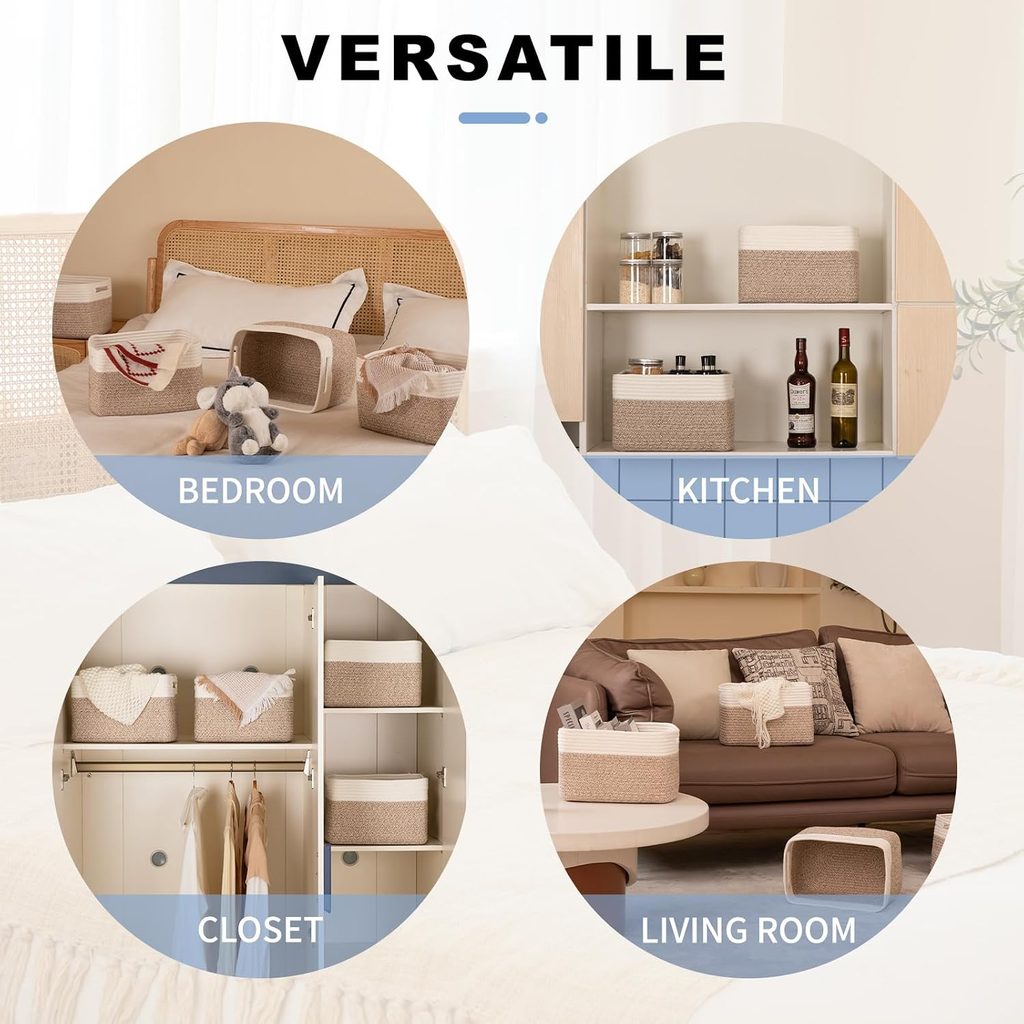
Decorative baskets are an easy way to keep everyday items organized while making your studio feel warm and inviting.
They work well for scarves, belts, bags, extra blankets, and accessories that don’t have a dedicated storage space.
How to make it work:
- Choose baskets that fit beneath a console table or wardrobe.
- Use separate baskets for different categories of belongings.
- Pick matching colors or textures for a coordinated look.
- Label baskets if you store similar items in multiple containers.
Baskets can help open storage areas look intentional instead of cluttered.
19. Add a Wardrobe Cabinet With a Mirror
A mirrored wardrobe is a practical choice for a small studio because it combines clothing storage with a full-length mirror.
Instead of making room for both a wardrobe and a separate standing mirror, you can use one piece of furniture for both purposes.
How to make it work:
- Choose a slim mirrored cabinet that fits your available wall space.
- Look for shelves and hanging space inside.
- Position the mirror where it reflects natural light if possible.
- Keep the surrounding area clear so the wardrobe doesn’t feel bulky.
This is a useful option if you want hidden clothing storage while keeping your studio bright and functional.
20. Create a Mini Mudroom Near the Entryway
Even if your studio doesn’t have a separate entryway, you can create a small drop zone near the front door.
A combination of wall hooks, a narrow shoe cabinet, and a compact bench gives coats, bags, and shoes a designated home.
How to make it work:
- Install hooks for coats, hats, and bags.
- Place a slim shoe cabinet underneath.
- Add a small bench if space allows.
- Use a basket for umbrellas or other everyday items.
This simple setup prevents entryway clutter from spreading into the rest of your apartment.
21. Use a Loft Bed to Create Storage Below
If your studio has a high ceiling, a loft bed can free up a significant amount of floor space.
By raising the sleeping area, you can create room underneath for a wardrobe, dresser, desk, or shelving unit. This can be especially useful in very small apartments where every square foot matters.
How to make it work:
- Check the ceiling height and available clearance before choosing a loft bed.
- Use the area underneath for a compact wardrobe or dresser.
- Keep the lower area organized with baskets and storage boxes.
- Choose a sturdy bed designed for the intended use and follow its assembly and safety instructions.
A loft bed can help you create a more defined sleeping and dressing area without expanding the footprint of your furniture.
How to Create a Closet-Free Storage System in a Studio Apartment
Having several storage solutions is helpful, but the real difference comes from combining them into a system that works for your daily routine.
Here’s how to build a simple closet-free storage setup.
Step 1: Sort Your Clothing Into Categories
Start by separating your belongings into everyday clothes, seasonal clothing, special-occasion outfits, shoes, and accessories.
This helps you identify what needs to be easy to reach and what can be stored away.
Step 2: Choose One Main Clothing Storage Solution
Select a primary storage option, such as a freestanding wardrobe, a clothing rack, or a tall dresser.
Your main storage piece should hold the clothes you use most often without overwhelming the room.
Step 3: Use Under-Bed Storage for Seasonal Items
Move clothing you don’t currently need into labeled containers or suitable vacuum bags.
This frees up space in your main wardrobe area while keeping seasonal belongings accessible.
Step 4: Add Vertical Storage for Accessories
Use wall hooks, hanging organizers, and shelves to store bags, hats, scarves, and other small items.
Keeping accessories off the floor and countertops helps maintain a tidy space.
Step 5: Hide Visual Clutter
Use baskets, storage boxes, curtains, or closed cabinets to conceal items that don’t need to be on display.
A coordinated storage setup can make your studio feel more peaceful and spacious.
Best Storage Furniture for a Studio Apartment Without a Closet
If you’re shopping for storage furniture, focus on pieces that provide enough capacity without taking over the room.
| Storage solution | Best for | Main benefit |
|---|---|---|
| Freestanding wardrobe | Everyday clothing | Hidden storage |
| Clothing rack | Frequently worn outfits | Easy access |
| Storage bed | Seasonal clothes and bedding | Uses under-bed space |
| Tall dresser | Folded clothing | Vertical storage |
| Room divider shelf | Studio zoning | Storage and separation |
| Slim shoe cabinet | Footwear | Saves floor space |
| Storage bench | Blankets and accessories | Seating plus storage |
| Rolling cart | Small essentials | Flexible placement |
Before buying anything, measure the available floor space, wall height, and door clearance. This helps you avoid purchasing furniture that looks great online but doesn’t fit comfortably in your apartment.
Common Storage Mistakes to Avoid in a Closet-Free Studio
Even useful storage furniture can make a small apartment feel crowded if it’s not planned carefully.
Here are a few mistakes worth avoiding:
1. Buying bulky furniture. Large wardrobes and wide dressers can block walkways and make the room feel smaller. Choose compact furniture that fits your available space.
2. Overcrowding clothing racks. Too many clothes on an open rack can make the entire room look messy. Keep only frequently worn pieces on display.
3. Ignoring vertical space. Empty walls can provide valuable storage opportunities. Use shelves and hooks where appropriate.
4. Mixing seasonal and everyday clothing. Keeping everything in one place makes it harder to find what you need. Store seasonal items separately.
5. Using too many open shelves. Open shelving can look cluttered when every surface is filled. Add baskets or closed storage to keep small belongings out of sight.
6. Buying furniture before measuring. Always measure your space and check the dimensions of the furniture, including its depth and clearance requirements.
Final Thoughts
Living in a studio apartment without a closet doesn’t mean you have to live with clutter. With a little planning, you can create a practical wardrobe area using freestanding furniture, clothing racks, under-bed storage, wall organizers, and multipurpose pieces.
The key is to give every category of belongings a designated place while keeping your most-used items easy to reach.
You don’t need to try all 21 ideas at once. Start with one main clothing storage solution, add a few space-saving organizers, and build a system that fits your lifestyle and available space.
Which of these closet-free storage ideas would you try first? Save this guide for your next studio apartment makeover and share it with someone who needs more storage in a small space.
Read more: 21 Apartment Decorating on a Budget Ideas That Look Surprisingly Expensive