
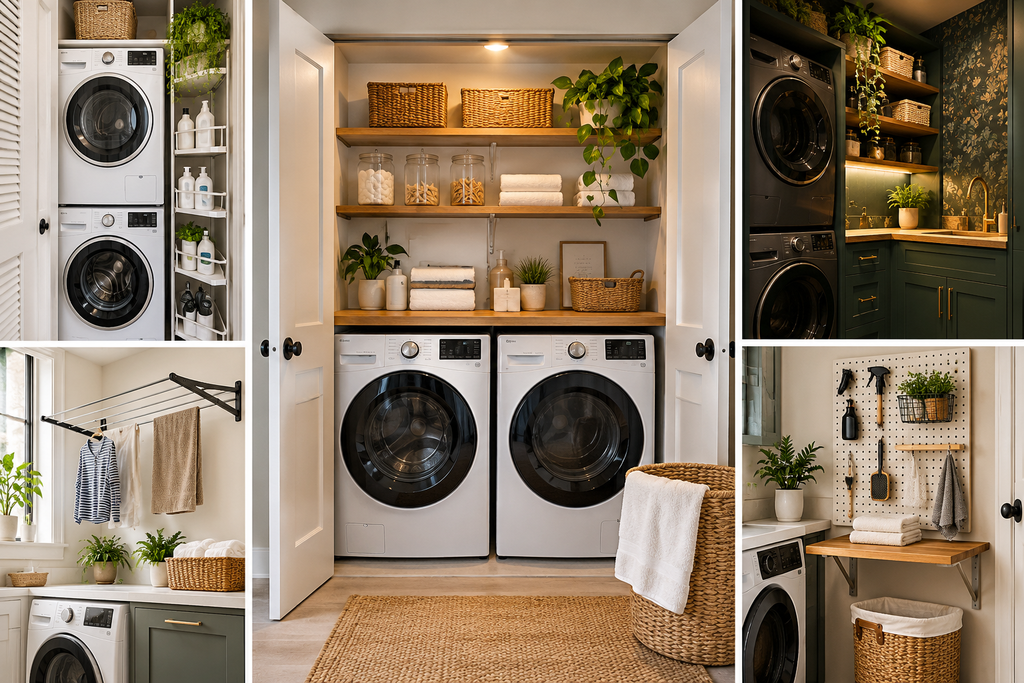
Living in an apartment often means making the most of available space, and the laundry area is no exception. You might have a tiny closet with a washer and dryer, a narrow corner in the bathroom, or a small space tucked behind a pair of doors. When laundry supplies, hampers, and cleaning products start piling up, even a simple laundry routine can feel more complicated than it needs to be.
The good news is that you don’t need a large dedicated laundry room to create a space that works well. With the right layout, a few clever storage solutions, and some thoughtful organization, you can transform even the smallest laundry area into a practical part of your home.
These apartment laundry room ideas focus on making limited space work harder. From stackable appliances and slim rolling carts to hidden laundry closets and fold-down tables, you’ll find plenty of ways to improve your setup without sacrificing valuable floor space. Whether you’re organizing a rental apartment or planning a more permanent laundry area, these ideas will help you make every inch count.
1. Create a Laundry Closet With Bifold Door
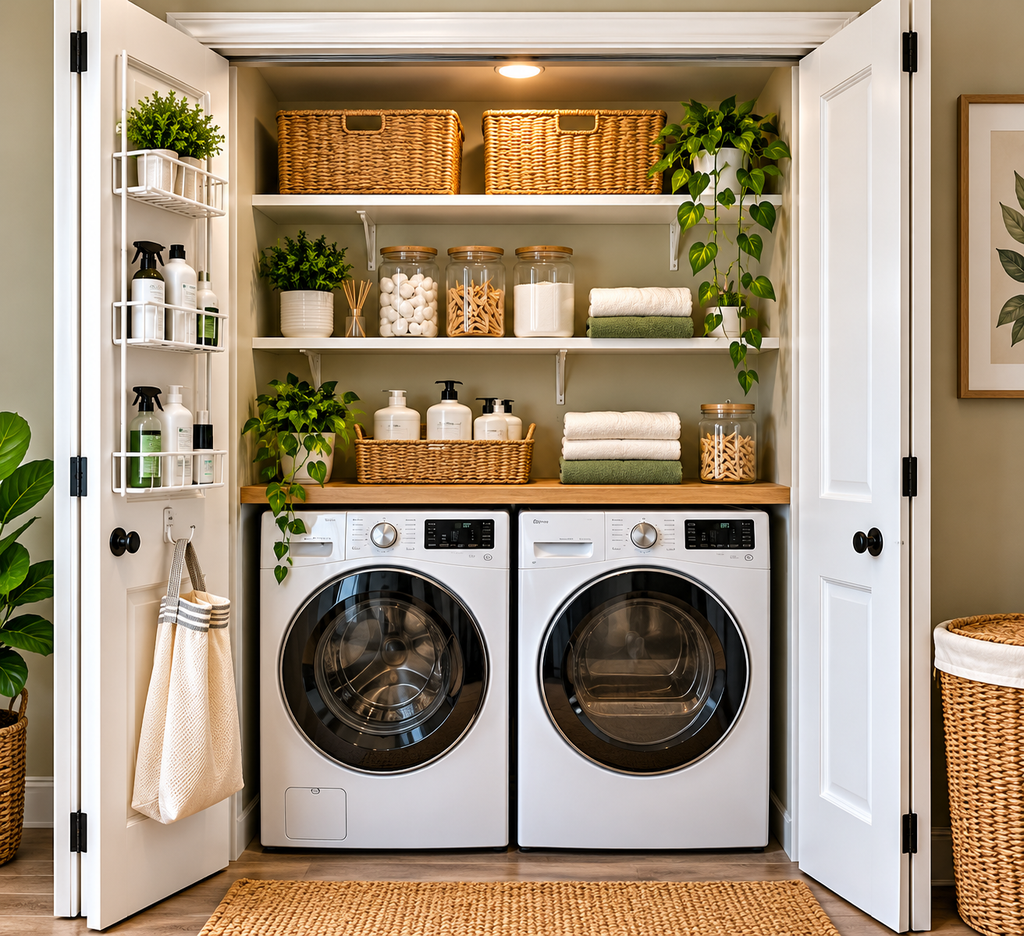
A laundry closet is one of the most practical solutions for an apartment that doesn’t have a separate laundry room. It keeps your appliances and supplies in one designated area while allowing the rest of your home to feel less cluttered.
If your washer and dryer are already installed inside a closet, consider adding shelving above them or narrow storage compartments along one side. You can keep detergent, stain removers, dryer sheets, and laundry bags neatly arranged instead of leaving everything on top of the machines.
Bifold doors are especially useful because they open without requiring as much clearance as traditional hinged doors. Sliding or louvered doors may also work, depending on the layout and ventilation requirements of your appliances.
For renters, removable organizers and freestanding shelves can make a noticeable difference without requiring permanent changes.
Space-saving tip: Keep the floor as clear as possible. Store lightweight laundry supplies on shelves and use one compact hamper outside the closet if there isn’t enough room inside.
2. Choose a Stackable Washer and Dryer
When floor space is limited, stacking your washer and dryer can free up room for storage or make a narrow laundry closet more usable. Instead of placing two appliances side by side, a compatible stacked setup uses vertical space.
The area beside the machines can become a home for a slim rolling cart, a narrow cabinet, or a small laundry hamper. If the appliances fit inside a closet, you may also have enough room for shelves above them.
Before purchasing a stackable set, check the manufacturer’s stacking requirements, dimensions, weight limits, and approved stacking kit. Make sure the ceiling height, hookups, access, and ventilation are suitable for the installation.
Stacking is not the right choice for every apartment, particularly if you have top-loading machines or limited access to the upper appliance.
Space-saving tip: Measure the entire installation area, including door openings and space needed for hoses, vents, and maintenance access, before choosing your appliances.
3. Install Shelves Above the Washer and Dryer
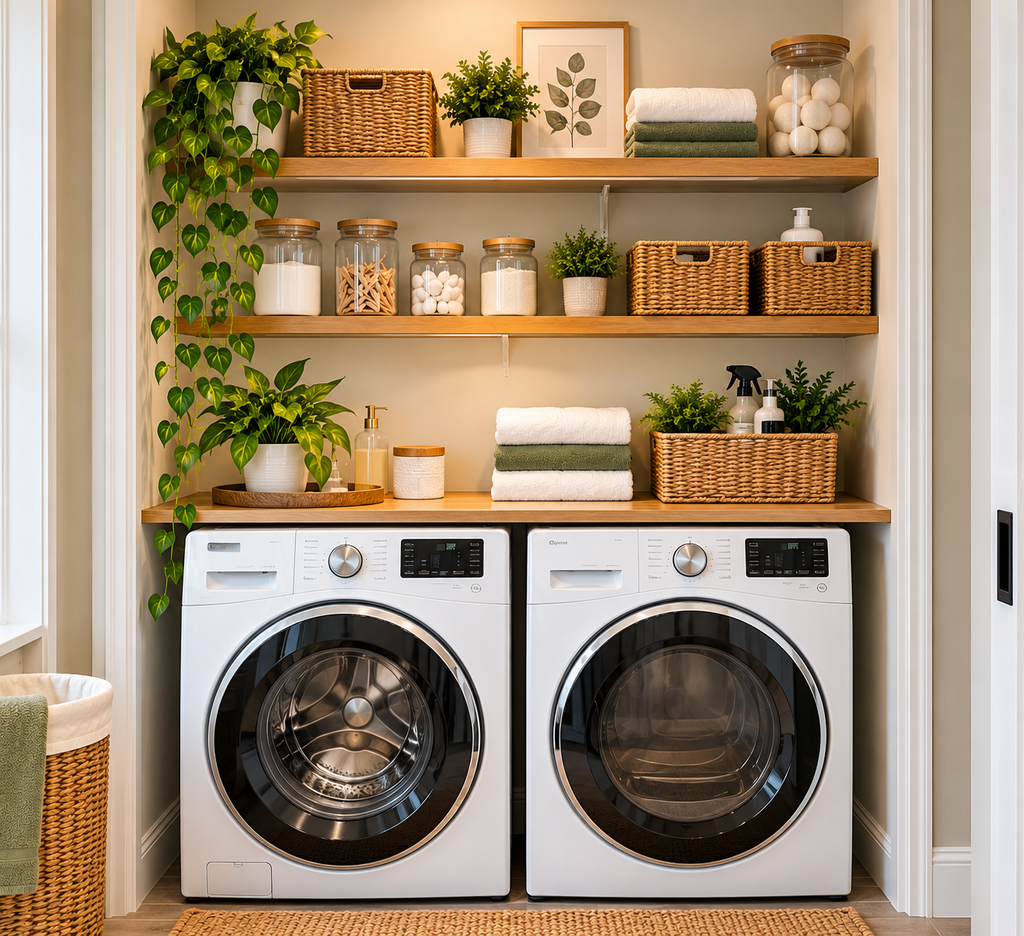
The wall above your washer and dryer is valuable storage space that often goes unused. A couple of well-positioned shelves can hold most of the supplies you reach for regularly without taking up any additional floor area.
Use the lower shelf for everyday items such as detergent, stain remover, and a small container of clothespins. The upper shelf can hold spare towels, extra laundry bags, or backup supplies that you don’t need every day.
If you prefer a coordinated look, group smaller items into baskets or containers. This also makes it easier to pull everything down for cleaning.
Choose shelves and mounting hardware that are suitable for the wall construction and expected load. Keep products secure and away from areas where they could fall onto the appliances.
Space-saving tip: Measure the space needed to open the washer and dryer doors fully before deciding how low to install the shelves.
4. Add a Slim Rolling Storage Cart
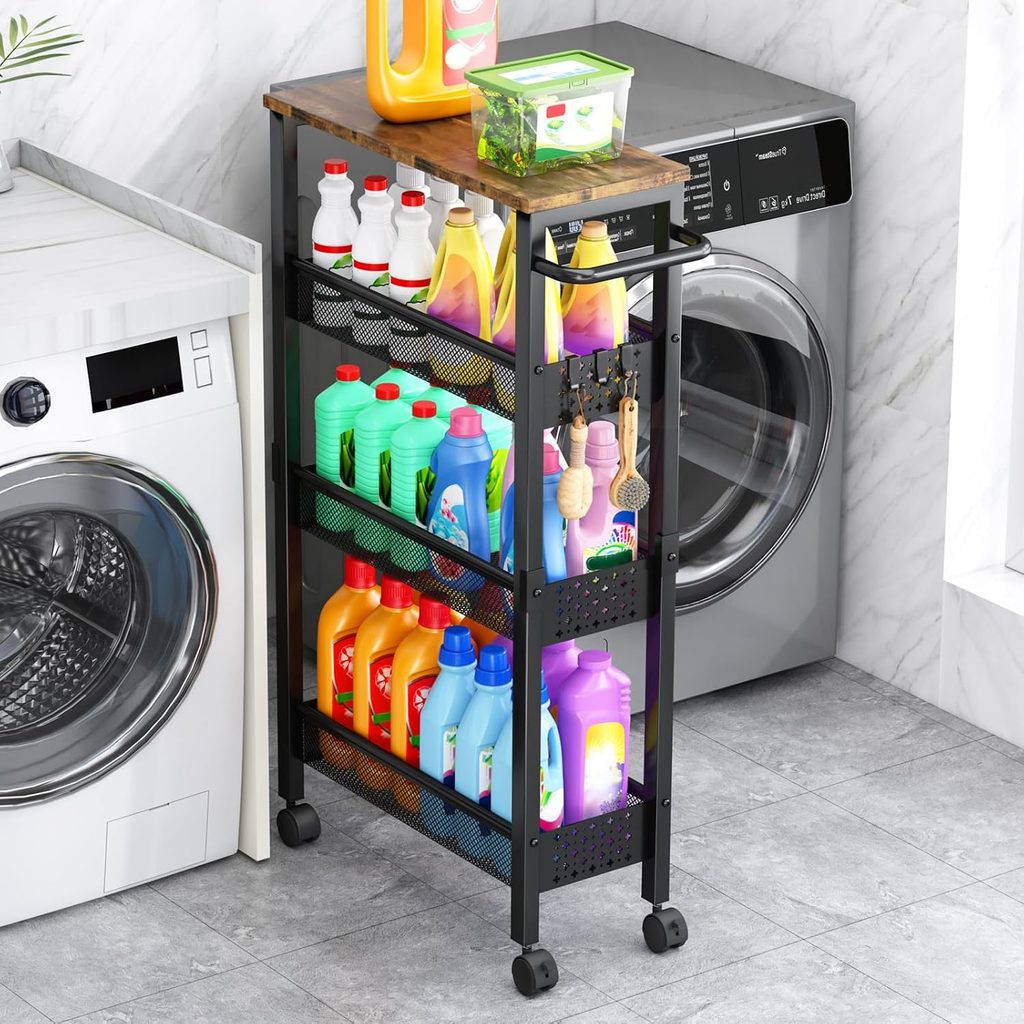
Sometimes the most useful storage opportunity is a gap that seems too narrow for anything else. A slim rolling cart can turn that awkward space beside an appliance into a convenient home for laundry essentials.
Look for a cart that fits the available width while allowing the washer and dryer to operate safely. Multi-tier designs can hold detergent, cleaning cloths, dryer balls, and other small items. Wheels make it easy to pull the cart out when you need something at the back.
For an apartment, this is particularly helpful because a freestanding cart usually doesn’t require drilling or permanent installation.
However, don’t force a cart into a space where it blocks appliance ventilation, access panels, hoses, or the dryer vent.
Space-saving tip: Keep heavier products on the bottom tier and frequently used items near the top so the cart stays stable and easy to use.
5. Build a Countertop Over Front-Loading Machines
A folding surface can make a small laundry room much more convenient. If you have front-loading machines positioned side by side, a properly fitted countertop above them can provide a place to fold towels, sort clothes, and organize clean laundry.
This arrangement makes good use of the horizontal space that would otherwise remain unused. You can also place a small basket on one end of the counter for clothes that need to be put away.
Wood-look countertops create a warm appearance, while white or light-colored surfaces help a compact room feel bright. Choose a surface and installation method suitable for the laundry environment, and follow the appliance manufacturer’s clearance and installation guidance.
If you’re renting, a removable or freestanding worktop may be an option, provided it is stable and does not interfere with the appliances.
Space-saving tip: Keep the countertop mostly clear. A folding surface loses its usefulness when it’s permanently covered with detergent bottles and miscellaneous items.
6. Use Wall-Mounted Drying Racks
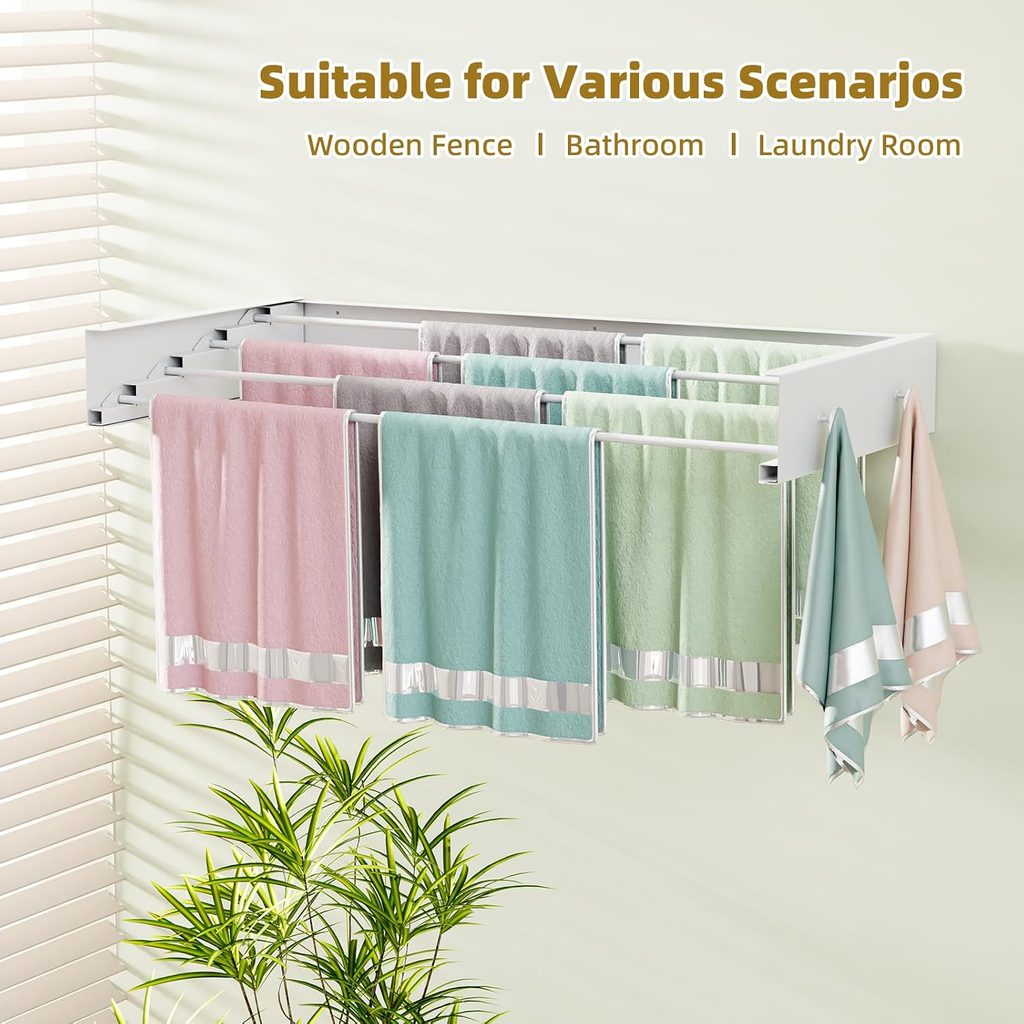
Not every item belongs in the dryer. Delicate clothing, sweaters, and certain fabrics often need to air-dry, but a traditional drying rack can take up a surprising amount of space in a small apartment.
A wall-mounted drying rack offers a practical alternative. Some designs fold flat against the wall when they aren’t being used, while others extend outward to create several drying bars.
Install one near your laundry area where there is enough clearance for the rack to open fully. If you live in a rental, look for an appropriate freestanding alternative or a mounting option permitted by your landlord.
Be mindful of humidity, especially if the laundry area is inside a small bathroom or closet. Adequate ventilation helps clothes dry more efficiently and reduces moisture buildup.
Space-saving tip: Use the rack for delicate or hand-washed items rather than treating it as permanent storage for every piece of clothing.
7. Make Use of the Space Behind the Laundry Door
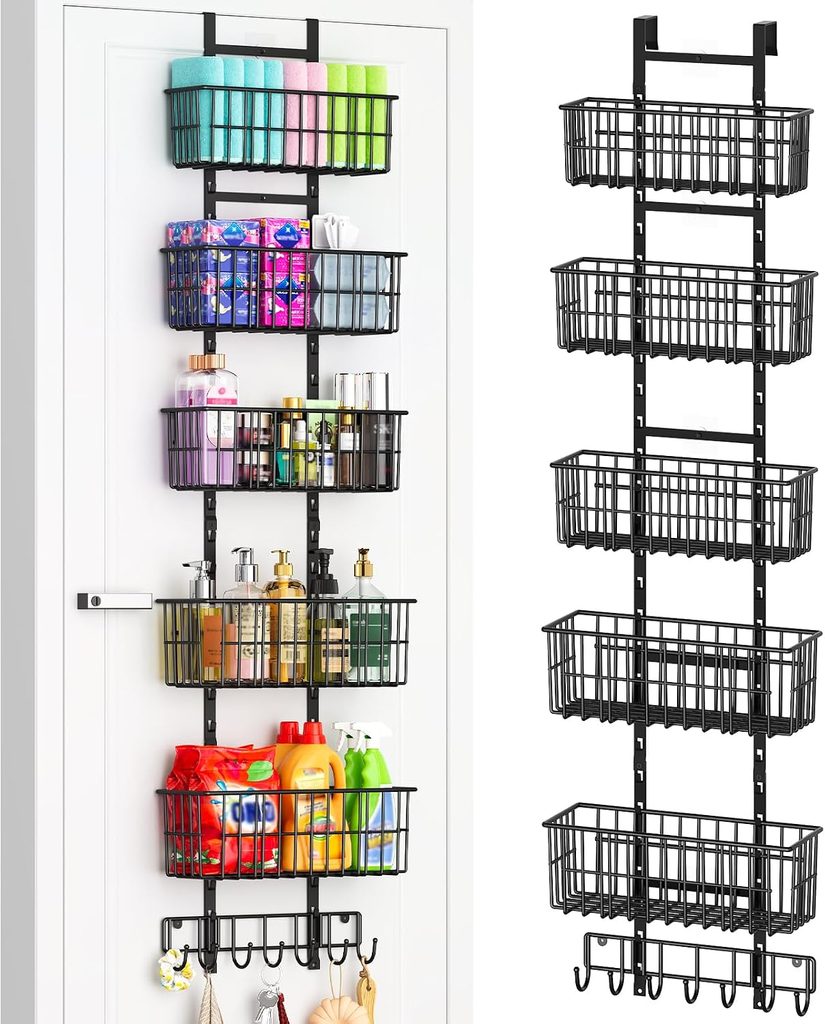
The back of a laundry closet door can provide extra storage without changing the main layout. This is a useful solution when the walls are already occupied by appliances and shelves.
An over-door organizer can hold small laundry bags, lint brushes, stain-treatment supplies, and lightweight accessories. Alternatively, a few suitable hooks can provide a place for reusable shopping bags, mesh wash bags, or an empty laundry tote.
Choose an organizer that doesn’t prevent the door from closing properly or interfere with hoses and appliance controls. Avoid storing heavy bottles overhead, particularly where they could fall when the door moves.
This is also an easy option for renters because many organizers require no drilling.
Space-saving tip: Reserve door storage for lightweight items you use regularly. Keep larger containers and heavier supplies on a stable shelf instead.
8. Install Floating Shelves for Everyday Essentials
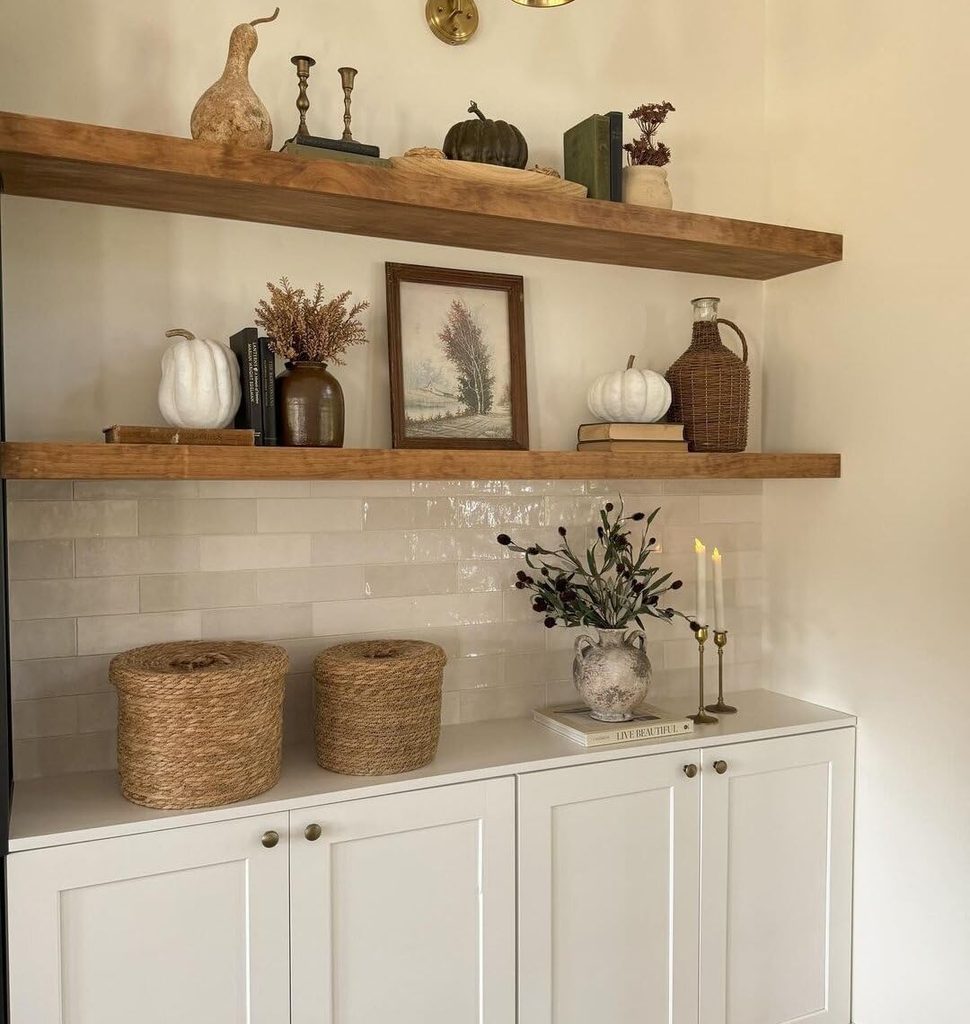
Floating shelves are a simple way to add storage without introducing bulky furniture. They work especially well in open laundry nooks where you want supplies to remain accessible but don’t have room for a full cabinet.
Use one shelf for detergent and stain remover, another for spare laundry bags, and a small basket for miscellaneous items such as clothespins. Keeping similar products together makes the space easier to maintain.
For a tidy appearance, avoid filling every inch of the shelves. A little breathing room makes it easier to retrieve items and put them back after use.
If you install shelves above appliances, make sure they are securely anchored and positioned so products cannot fall onto the machines.
Space-saving tip: Use shallow shelves where possible. Deep shelves can make a narrow laundry area feel cramped and encourage items to get lost at the back.
9. Add Pull-Out Laundry Hampers
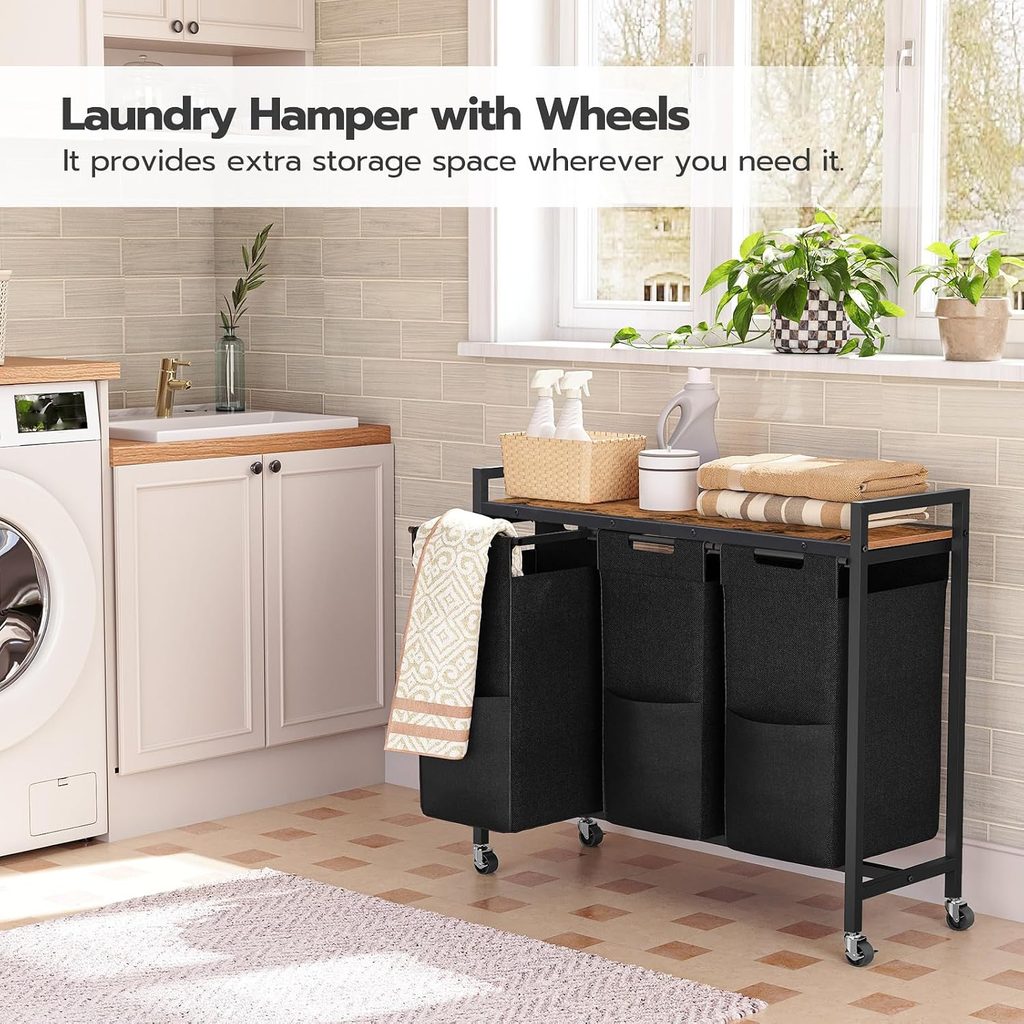
Laundry becomes easier to manage when dirty clothes have a designated place. Instead of allowing clothes to accumulate in piles, create a simple sorting system with separate hampers for different loads.
Pull-out hampers are particularly useful when installed inside a suitable cabinet or tucked into an existing storage unit. They keep laundry out of sight while making it easy to separate darks, lights, and towels.
If your apartment doesn’t have room for a built-in solution, use slim freestanding hampers or collapsible fabric baskets. Look for breathable materials and sizes that fit your available floor space.
You don’t necessarily need three large baskets. In a very small apartment, two compact hampers and a separate bag for delicate items may be enough.
Space-saving tip: Choose hampers based on your laundry routine and household size rather than buying more containers than you can comfortably fit.
10. Create a Small Laundry Station in a Hallway
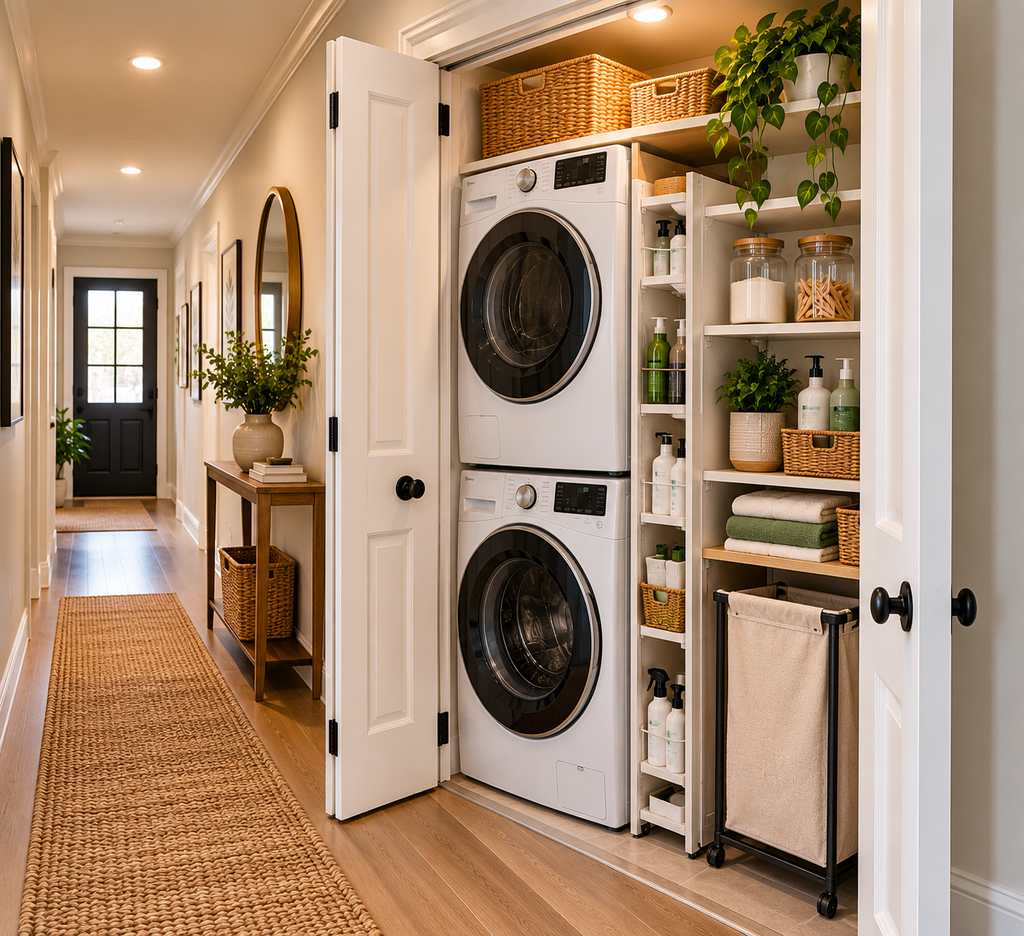
Some apartments have no dedicated laundry room, but a hallway closet can sometimes accommodate a compact laundry station. When the necessary plumbing, electrical connections, drainage, and ventilation are available, this can be a smart way to keep laundry out of the main living areas.
A stacked washer and dryer may fit into a narrow closet, leaving room for a small shelf or vertical storage compartment. If you already have a laundry closet, organizing it properly can help you avoid carrying supplies from room to room.
Before converting any closet, confirm that the appliances are approved for the location and that the installation meets building requirements. Don’t install laundry appliances in an ordinary storage closet without checking the necessary utilities, ventilation, clearances, and permissions.
Space-saving tip: Keep a small laundry basket nearby and store only the essentials inside the closet to avoid crowding the machines.
11. Use Matching Baskets to Reduce Visual Clutter
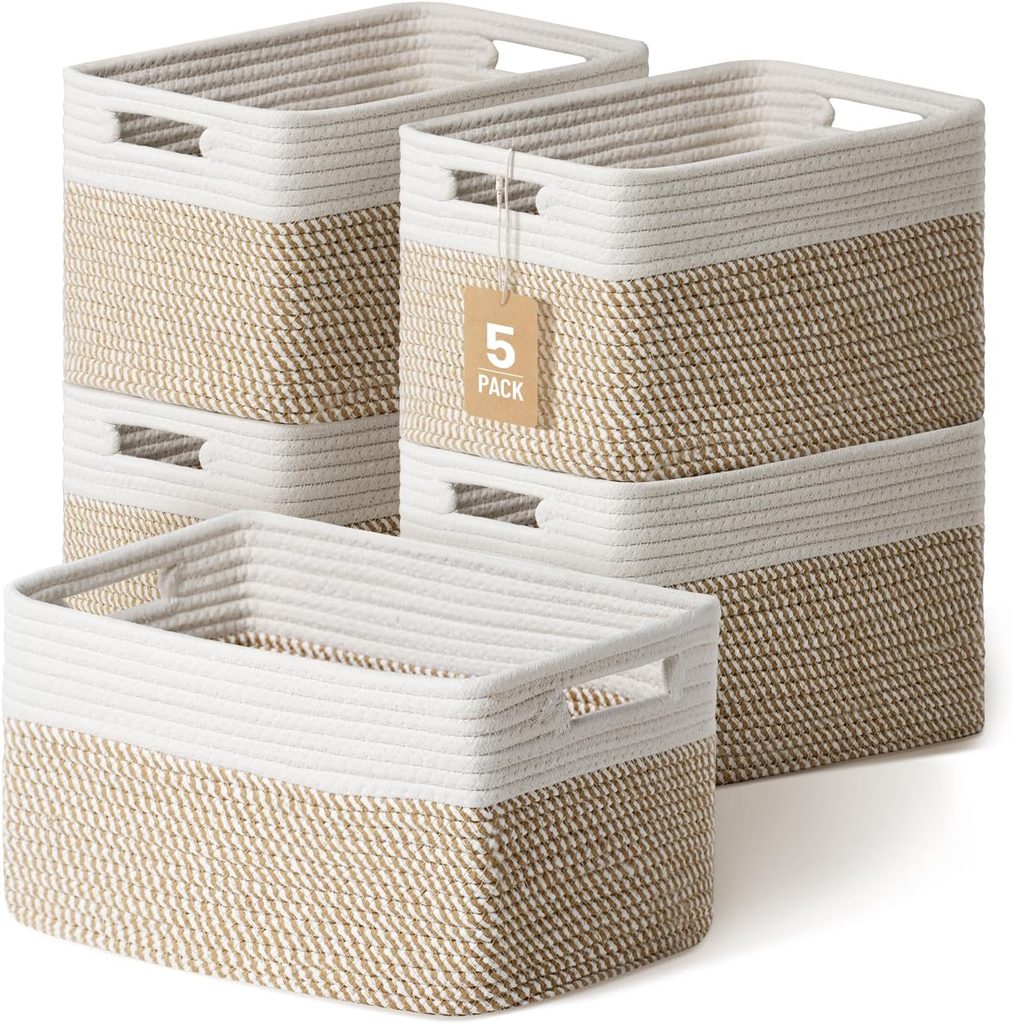
Open shelving is useful, but too many mismatched packages and loose accessories can make a small laundry area look messy. Matching baskets help group supplies together and give the shelves a more organized appearance.
Use one basket for dryer accessories, another for cleaning cloths, and a smaller container for mesh wash bags. If you have extra shelf space, a basket can also hold spare towels or reusable lint rollers.
Choose materials that are easy to clean and suitable for the humidity levels in your laundry area. Woven baskets can add warmth, while plastic or washable fabric containers may be more practical near a washer.
Remember that baskets should make storage easier, not create another layer of clutter.
Space-saving tip: Measure the shelves before purchasing baskets so you can use the available width efficiently.
12. Install Cabinets Above the Appliances
If you prefer to keep supplies out of sight, upper cabinets are a useful alternative to open shelves. They provide enclosed storage for detergent, spare cleaning products, and other items that can make a laundry area look cluttered.
In a small apartment, cabinets that extend toward the ceiling can make better use of vertical space. Store everyday products on the lower shelves and less frequently used supplies higher up.
If you’re renting, removable storage cabinets or a freestanding shelving unit may be more appropriate than a permanent installation.
Make sure the cabinets are securely mounted and that doors don’t obstruct appliance access. Store chemicals safely in their original containers and keep them out of reach of children and pets.
Space-saving tip: Avoid oversized cabinets that make the room feel boxed in. A compact cabinet sized to your actual storage needs is often more useful than a deep one filled with forgotten products.
13. Choose a Compact Folding Drying Rack
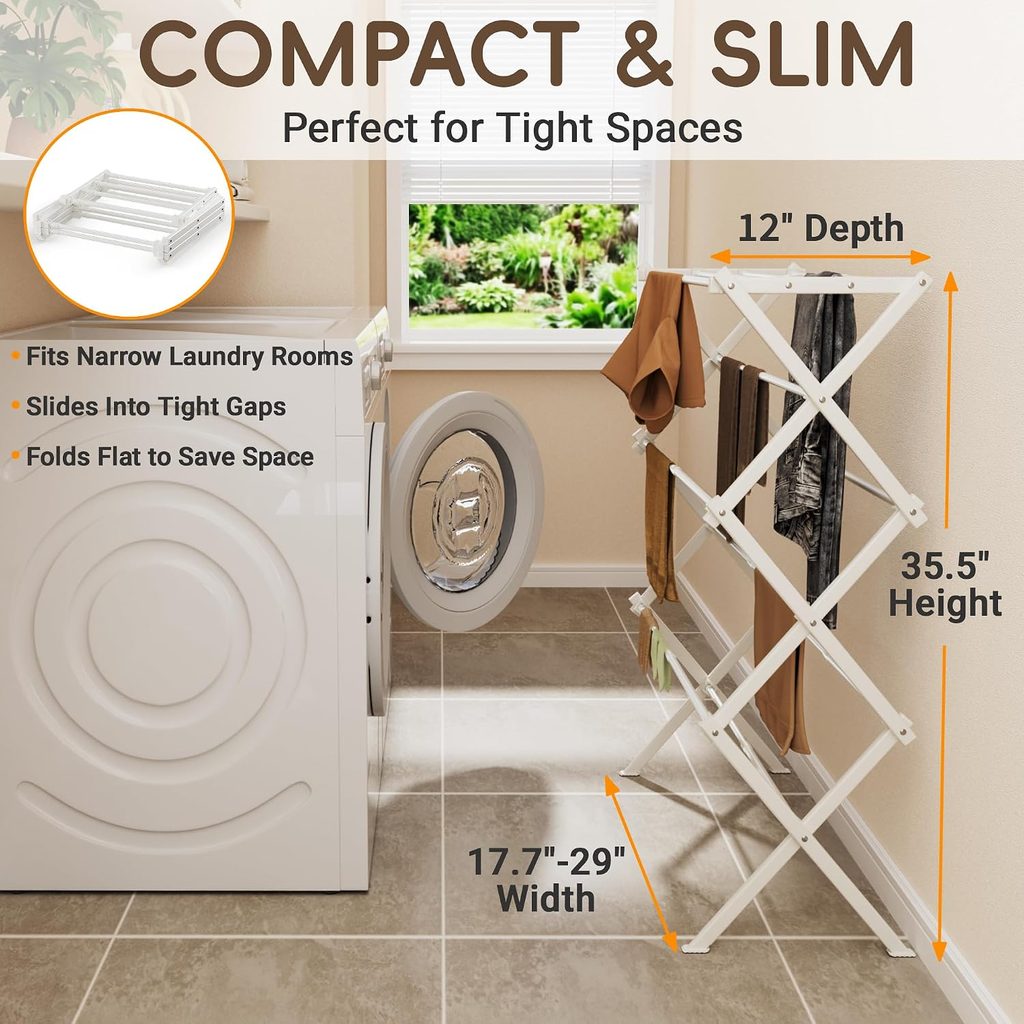
A freestanding drying rack is a helpful option when wall mounting isn’t possible. The best designs for small apartments fold flat after use and can be stored beside a wardrobe, behind a door, or inside a laundry closet.
Look for a model that opens wide enough for your clothing but doesn’t block the path through your apartment. Tiered racks can offer more drying space in a relatively small footprint.
If you wash delicate clothes frequently, keeping the rack near the washer saves time and reduces the need to carry wet items across the home.
Avoid placing a loaded rack where it could tip over or where dripping water might damage flooring.
Space-saving tip: Open the rack only when needed and put it away once the clothes are dry. Keeping the floor clear makes a small laundry area much easier to use.
14. Add Hooks for Reusable Laundry Bags
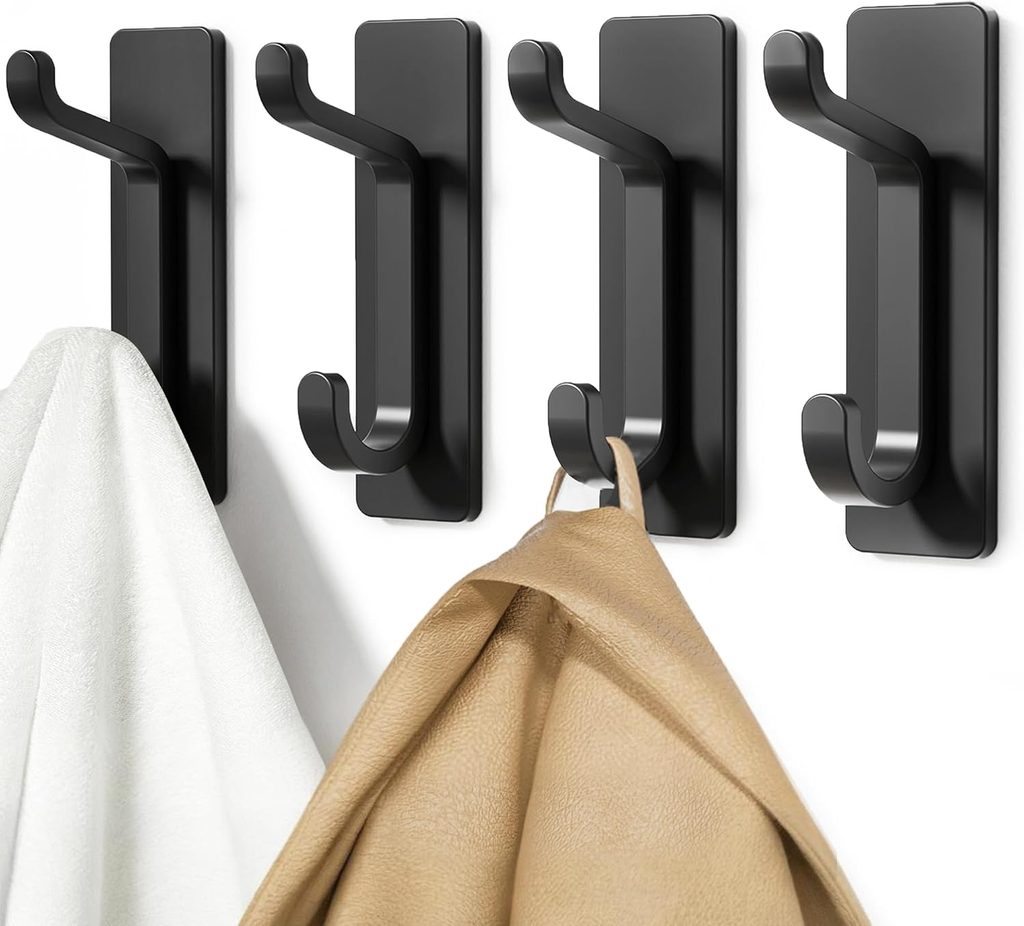
Small accessories often create more clutter than expected. Mesh wash bags, reusable laundry totes, and lint brushes can end up scattered across shelves or stuffed into drawers.
A few hooks can give these items a dedicated home. Install them on a suitable wall, inside a closet door, or on an existing rail where they won’t interfere with appliance operation.
Use separate mesh bags for delicate garments and small washable items. Keeping them close to the washer means they’re easy to grab when you start a load.
For renters, removable hooks may be useful if the surface and product instructions support the expected weight.
Space-saving tip: Hang bags by size or purpose so you can quickly find the right one without searching through a pile.
15. Create a Laundry Nook in the Bathroom
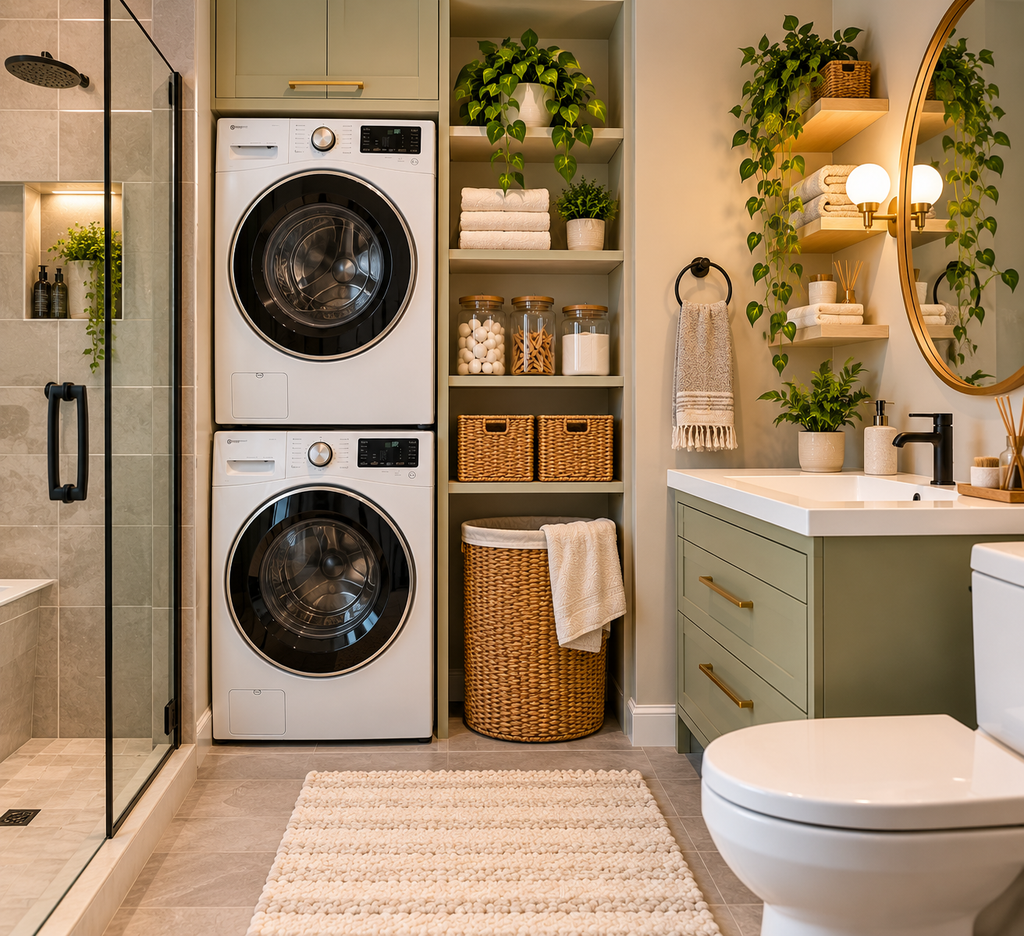
A bathroom corner can sometimes accommodate a compact laundry setup, particularly in apartments designed with combined laundry and bathroom facilities. This arrangement keeps the washing machine close to plumbing and can free up space elsewhere in the home.
If the bathroom layout allows it, position the appliances beneath a suitable countertop or beside a narrow storage cabinet. Keep laundry supplies in enclosed storage so they don’t compete with toiletries and everyday bathroom essentials.
Moisture management is especially important in this type of layout. Choose appliances approved for the location, maintain appropriate ventilation, and follow local electrical and building requirements.
Don’t squeeze appliances into a bathroom simply because there is a gap. Safe access, clearances, waterproofing, and service connections matter more than fitting everything into one room.
Space-saving tip: If a washer and dryer aren’t suitable for your bathroom, you can still borrow the idea by using a small bathroom cabinet or hamper as a dedicated laundry-sorting station.
16. Use Light Colors to Make the Space Feel Bigger
A compact laundry room can feel more open when the colors and finishes work together. White, cream, pale gray, and light wood are popular choices because they help reflect available light and create a calm backdrop for storage.
You don’t need to renovate the entire space to achieve this effect. A light-colored hamper, matching containers, and a simple shelf can make an existing laundry nook feel more coordinated.
If your machines are dark, balance them with lighter walls or shelving. If the area has little natural light, good overhead lighting can make it easier to see labels and keep supplies organized.
For renters, washable accessories and removable wall treatments can introduce lighter colors without a major commitment.
Space-saving tip: Keep the color palette simple and avoid too many contrasting storage containers. A coordinated look helps the room feel less visually crowded.
17. Install a Pegboard for Flexible Storage
A pegboard can turn an empty wall into flexible storage for small laundry accessories. Unlike fixed shelves, its hooks and baskets can be rearranged as your needs change.
Use it for lint brushes, clothespins, mesh bags, small cleaning tools, and other lightweight items. You can even dedicate one section to the accessories you use most often so everything stays within reach.
Choose a pegboard system designed for the intended load and secure it appropriately. Keep it away from areas where moisture could damage the material or where hanging items might interfere with appliance doors.
This idea works especially well in laundry closets with a little unused wall space beside the machines.
Space-saving tip: Keep the pegboard organized by category rather than hanging every household tool on it. Too many items can make a small wall look just as cluttered as an untidy shelf.
18. Try a Moody Laundry Room Look
A small laundry room doesn’t have to be plain or purely practical. Dark colors can give the space a distinctive look while still allowing you to keep everything organized.
Deep green, navy, charcoal, and muted brown are attractive choices for cabinetry or accent walls. Warm lighting, simple hardware, and a wood shelf can soften the darker palette.
The key is to balance style with function. Keep frequently used supplies accessible, use enclosed storage to reduce visual clutter, and make sure the work area is bright enough for sorting clothes and reading product labels.
If you’re renting, you can introduce a moody look with dark baskets, removable wallpaper approved for your walls, or coordinated accessories rather than repainting cabinets.
Space-saving tip: Choose one or two dark elements and keep the remaining surfaces relatively simple, especially if the laundry area has no natural light.
19. Add a Fold-Down Folding Table
A permanent folding counter is useful, but some apartments simply don’t have enough room for one. A fold-down table provides a similar benefit without occupying space all day.
When you need to fold towels or sort clean clothes, lower the table and use it as a temporary work surface. Once you’re finished, fold it back against the wall to clear the floor.
This can be particularly helpful in narrow laundry closets or multipurpose utility areas. Choose a table with suitable supports and install it securely according to the manufacturer’s instructions.
If wall mounting isn’t possible, a small folding table that can be stored flat may offer a similar solution.
Space-saving tip: Keep a designated basket nearby for clean clothes waiting to be folded. That way, you can set up your workspace quickly instead of moving items around first.
20. Use Labels to Keep Laundry Supplies Organized
Labels are a small detail that can make an organized laundry area easier to maintain. When every basket and container has a clear purpose, it’s easier to find what you need and return it to the right place.
You might label baskets for towels, delicates, or cleaning cloths, while shelf containers can hold dryer accessories and reusable laundry bags. If more than one person shares the apartment, clear labels help everyone follow the same system.
Choose labels that remain readable in a humid environment and containers that are easy to clean. Keep laundry products in their original packaging whenever possible, particularly when safety information needs to remain visible.
You can use simple adhesive labels, reusable tags, or a label maker depending on your preferred style.
Space-saving tip: Label only the containers that need identification. A few clear labels are more useful than labeling every object in the room.
21. Design a Multi-Functional Laundry and Cleaning Station
When storage is limited, it makes sense to let one carefully planned area serve more than one purpose. A laundry station can also accommodate a few essential cleaning supplies, helping you avoid spreading household products throughout the apartment.
Use a narrow wall-mounted holder for a broom and mop, a small basket for microfiber cloths, and a shelf for laundry essentials. If there’s room, a compact caddy can hold the supplies you use for quick cleanups.
Keep laundry products separate from cleaning chemicals that shouldn’t be mixed or stored together. Follow the product labels, keep everything securely stored, and avoid overcrowding the appliances.
The goal is to create a station that supports your daily routine without becoming a catch-all for every item in the home.
Space-saving tip: Choose a small set of essential supplies for this area and store less frequently used cleaning equipment elsewhere.
How to Make a Small Apartment Laundry Room More Functional
The right organizers can help, but a practical layout matters just as much. Before buying anything, take a few minutes to assess how you actually use the space.
- Measure before shopping. Check the width, depth, and height of the available area, including door openings and appliance clearances.
- Use vertical space first. Shelves, cabinets, and wall-mounted organizers can provide storage without taking up the floor.
- Keep everyday supplies nearby. Place detergent and stain removers where you can reach them easily and safely.
- Create a simple sorting system. Two compact hampers may be more practical than several oversized baskets.
- Keep the floor clear. Store drying racks and cleaning tools away when they’re not in use.
- Protect appliance access. Make sure organizers don’t block vents, hoses, service panels, or doors.
- Choose storage that fits your routine. If you air-dry clothes frequently, prioritize a drying rack. If folding is your biggest challenge, focus on a small work surface.
One of the biggest mistakes in a tiny laundry room is buying too many organizers before deciding where everything belongs. Start with your biggest problem, solve it, and then add storage only where it’s genuinely needed.
Frequently Asked Questions
How do you fit a laundry room into a small apartment?
Start by identifying the space already available for laundry, such as a dedicated closet or utility nook. If the plumbing and installation requirements permit, a compact or stacked washer and dryer can reduce the footprint. Use shelves, narrow carts, and wall-mounted accessories to keep supplies organized without filling the floor.
How can I make a tiny laundry room look bigger?
Use light colors, good lighting, and a simple storage system. Keep the floor clear, avoid oversized cabinets, and group small items in matching containers. You don’t have to remove all decoration; just avoid filling every available surface.
Are stackable washers and dryers good for apartments?
They can be an excellent option when floor space is limited. A stacked setup uses vertical space instead of requiring room for two machines side by side. However, the appliances must be compatible, and the closet or laundry area must meet the required installation, ventilation, and clearance specifications.
Where should I store laundry supplies in a small apartment?
Upper cabinets, floating shelves, compact carts, and suitable door organizers are useful choices. Store frequently used products where you can reach them safely, and keep detergents and cleaning products in their original containers, away from children and pets.
How do you organize a laundry closet with no shelves?
Consider a slim rolling cart, a freestanding organizer that fits safely beside the machines, or an appropriate over-door organizer. You can also use a small hamper outside the closet to free up floor space. Check appliance clearances before adding anything around the machines.
What is the best way to organize a laundry room without a counter?
A fold-down table, a small folding board, or a removable work surface can help. You can also use a clean, stable surface elsewhere in the apartment for folding and keep the laundry area dedicated to washing, drying, and sorting.
Final Thoughts
A small apartment doesn’t need a dedicated laundry room to have an organized and functional laundry routine. Sometimes, a single shelf above the washer, a narrow rolling cart, or a foldable drying rack is enough to make the space feel much easier to manage.
Start by identifying what causes the most frustration in your current setup. If supplies are scattered everywhere, focus on vertical storage. If clean clothes pile up, create a folding station. If dirty laundry takes over the floor, introduce a compact sorting system.
The best apartment laundry room ideas are the ones that fit your space, your budget, and your everyday habits. With a few thoughtful changes, even a tiny laundry closet can become a hardworking, well-organized part of your home.
Disclosure: This article may contain affiliate links. If you purchase through qualifying links, we may earn a commission at no additional cost to you.
Read more: 21 Smart Studio Apartment Storage Ideas for People Without a Closet